Key Takeaways
- Upgrading to energy-efficient windows and insulation reduces energy consumption and enhances comfort.
- Installing solar panels offers renewable energy and potential utility cost reductions.
- Using sustainable materials for siding and roofing reflects environmental responsibility and durability.
- Implementing rainwater harvesting systems supports water conservation efforts.
- Landscaping with native plants requires less water and maintenance.
Adopting eco-friendly exterior updates can transform not only the look of your home but also its environmental impact. By embracing sustainable practices, homeowners achieve greater energy efficiency, improved comfort, and an appealing modern aesthetic. If you are planning to enhance your home, focusing on exterior home improvement can be both a practical and environmentally responsible choice.
Implementing these upgrades helps reduce your carbon footprint and can lead to substantial savings on utility bills. Depending on your location and home style, options range from advanced window technology to water conservation systems. Choosing the right eco-friendly improvements allows you to personalize your space while supporting a more sustainable future.
To make smart decisions about siding or other eco-friendly solutions, understanding the available options is crucial. Homeowners are increasingly interested in products and materials that offer both environmental and financial benefits, aligning with current trends in green living.
Energy-Efficient Windows and Insulation
Windows are a major factor in a home’s energy performance. Replacing single-pane glass with double-pane, argon-filled, or low-emissivity (Low-E) glass can substantially reduce heat loss and indoor temperature fluctuations. Adding proper insulation to walls, attics, and crawl spaces further limits climate control costs by keeping cooled or heated air where it belongs. According to the U.S. Department of Energy, upgrading your windows and insulation can produce significant savings on heating and cooling expenses over time.
Solar Panel Installation
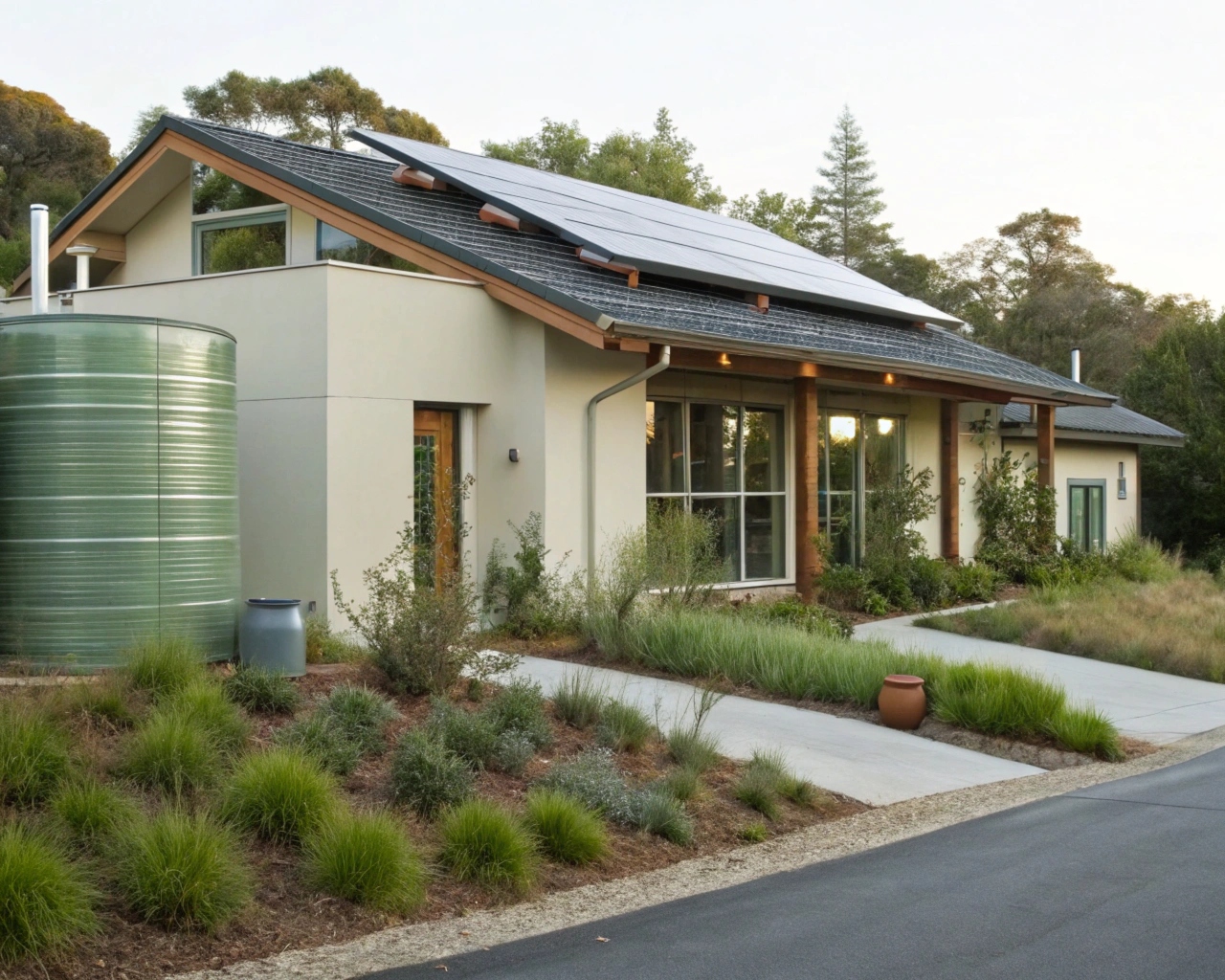
Solar panels are increasingly integrated into modern homes. These renewable energy collectors are now thinner, more efficient, and designed to blend seamlessly with roofs and facades. Installing solar panels lets you generate your own electricity, cutting utility bills and reducing your reliance on fossil fuels. Homeowners may qualify for local incentives, rebates, or tax credits, creating additional reasons to consider solar technology.
Sustainable Siding and Roofing Materials
Exterior walls and roofs play a critical role in both the durability and energy efficiency of your home. Sourcing recycled, reclaimed, or eco-certified materials reduces resource depletion and landfill waste. Advances in recycled steel, composite materials, fiber cement, and sustainably harvested wood mean that modern siding and roofing solutions often outperform traditional options. These materials are designed to withstand harsh elements while requiring less maintenance than their non-sustainable counterparts.
Rainwater Harvesting Systems
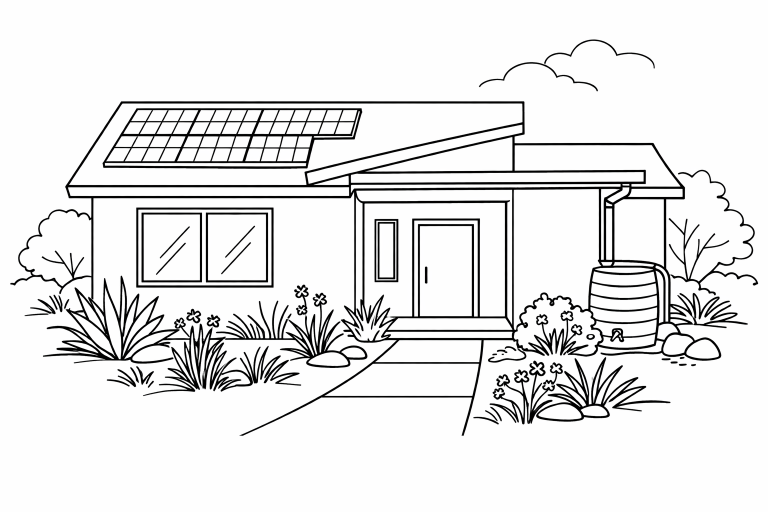
Installing a rainwater harvesting system is a straightforward way to support household water conservation. Systems range from simple rain barrels to more advanced setups that capture and filter runoff from gutters. The stored water can be used for garden irrigation, car washing, and other non-potable applications, easing the demand on municipal water supplies. Many municipalities now offer incentives for these systems as part of broader sustainability initiatives.
Native Landscaping
Landscaping with native plants offers visual beauty with practical ecological benefits. Native species are acclimated to local rainfall patterns and soil conditions, so they require fewer interventions. Swapping water-intensive lawns for native grasses, perennials, and shrubs not only lowers irrigation requirements but also supports birds, pollinators, and other local wildlife. This approach to landscaping simplifies outdoor care and reduces the need for chemical fertilizers or pesticides.
Permeable Paving Solutions
Conventional paved surfaces, such as concrete or asphalt, prevent water from seeping into the soil, leading to runoff and potential flooding. Permeable paving alternatives, such as permeable concrete, gravel grid pavers, or open-jointed blocks, allow water to percolate naturally. By adopting permeable paving, you help recharge groundwater and reduce pollution risks associated with stormwater runoff. These materials are also visually flexible and can be adapted for driveways, patios, or garden paths.
Energy-Efficient Outdoor Lighting
Switching to LED technology for outdoor lighting options is a simple update with lasting benefits. LEDs are significantly more energy-efficient than traditional bulbs and last for many years before needing replacement. Solar-powered lights are another popular choice, particularly for garden or pathway illumination, as they draw power from sunlight rather than household electricity. Installing motion sensors or timers further boosts efficiency by ensuring lights are on only when required.
Green Roofs and Living Walls
Green roofs and vertical gardens, sometimes called living walls, add a lush, natural look to a home’s facade or roofline. These features help regulate indoor temperatures, reduce the heat island effect in urban areas, and improve air quality in the surrounding area. Green roofing systems can also extend your roof’s lifespan by shielding it from ultraviolet rays, temperature extremes, and heavy rainfall. Cities such as Toronto and Chicago are actively encouraging these technologies as part of their climate resilience strategies.
By prioritizing eco-friendly exterior upgrades, you can make your home more comfortable, efficient, and attractive, all while reducing your environmental impact. These improvements not only address today’s sustainability challenges but can also future-proof your property as building standards and homeowner preferences continue to evolve.