Would you know what to do in a fire?
Being caught in a fire is everyone’s worst nightmare. Most of us don’t imagine it will ever happen to us in this age of smoke alarms, sprinklers and fire safety. Would you know what to do if you were to discover a fire? It’s easier to act quickly if you have a plan in your head. Learn these next steps and share the plan with everyone in your home:
Shout the Alert
Ensure that everyone in your home knows there is a fire. Shout about it and gather everyone together as quickly as possible.
Get out
Talk about an escape route with your family, so that everyone is familiar with what the plan is should there be a fire. Every workplace requires a detailed escape route and staff meeting point with regular drills and fire assessments. During your escape, it’s important to remember the following things:
· Don’t pause to gather any items or to locate your pets, however much you want to
· Don’t try to investigate the cause of the fire
· If there is smoke, get down and crawl on the floor where the air is cleaner and cooler. Keep your nose as low to the ground as possible. Smoke is often the killer when people are caught in a fire as it’s highly poisonous
· As you escape, only open doors that you need to for exiting the building and close any open doors to slow down the progress of the fire
· Before entering any rooms with closed doors, touch the door with the back of your hand. If the door feels warm or hot to the touch, do not open as there could be fire on the other side.
What to do if clothing catches fire
· Fire likes air so don’t run around or you will make the flames burn faster
· Immediately lie down which makes it tougher for the flames to spread. Flames burn in an upwards direction so lying down will also help to protect your face and head
· To prevent oxygen getting to the fire, smother the flames in a heavy material like a blanket or coat and roll around on the floor.
As soon as you’ve escaped a property and you’re safe, use a mobile, phone box or neighbour’s phone to dial 999. When you’re in shock, it can be difficult to communicate but you’ll need to give the whole address and town, what type of property is on fire and if anyone else is still inside and what room they’re in. Consider the benefits of a Fire Risk Assessment Northamptonshire.
Never re-enter
Even if you think there is still someone inside the building, never go back in. Find a safe place and wait nearby for the Fire and Rescue Service. You can help by telling them what you know, and they will be far quicker at locating anyone than you would be. Re-entering the building puts you at further risk and gives the Fire Service one more person to worry about, extending the time it takes to rescue you and any other trapped persons.
Common Causes of Fires
House fires can be both costly and devastating, claiming many lives every year in what could have been avoidable scenarios. From the misuse of appliances to unextinguished cigarettes, there are many potential risks that you should know about. There are measures you can take to ensure your home or business is fire safe, but you need to know what the risks are before you can protect against them. Here are the most common causes of fire:
1. Cooking Equipment
When pots and pans are left unattended, they can easily overheat and catch fire. Always remain in the room when you are cooking, but if you must leave, have someone watch the cooking for you. For a Fire Risk Assessment Northamptonshire, contact ISE Fire.
2. Smoking
You should never smoke in the bedroom. A cigarette that is not put out properly can stay lit for several hours and if it comes into contact with flammable materials such as bedding or furniture, a fire will quickly spread. Some people have fallen asleep while smoking in bed and most fatalities through fire occur in the living room or bedroom.
3. Heating
Portable heaters should be kept at the very least one metre away from any clothing, people, laundry, curtains or furniture. For homes with a furnace, this should be safety checked annually.
4. Electrical Equipment
If an electrical appliance becomes damaged, faulty or has a frayed cord, it can become a fire risk. Power points that are overloaded are also a fire risk. Make sure all your appliance cords are in good order and that you are not overloading any power points in your home or business.
5. Candles
Candles are an attractive decoration but if not attended to properly can become a fire hazard. They can quickly cause a fire if they are left unattended or placed too close to flammable materials. Keep candles away from curtains, books and clothing and always blow it out before leaving the room.
6. Curiosity
When children are left access to matches for example, sometimes curiosity can get the better of them. Lighters and matches should always be kept away from the reach of children. Fires can spread alarmingly quickly so talk to your children about the importance of not playing with fire, plan an escape route from the house if a fire ever breaks out and install smoke alarms in the bedrooms.
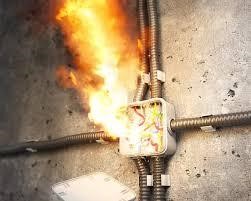
7. Wiring
If your property has inadequate wiring, it could be a potential fire hazard. If you notice the following things, it could be a sign of bad wiring:
Lights dim when using another appliance
Fuses blow or trip often
To use one appliance, you must switch another one off first
Call a registered electrician to examine the property as soon as possible.