You want sun protection, but you dread that swampy, suffocating feeling of cheap polyester against your skin. You picture yourself sweating through a hike or baking on the beach in a plastic-like layer. It’s frustrating, especially when you’re trying to be responsible about skin health. The good news is that finding comfortable, breathable sun protection isn’t a fantasy. The solution is knowing exactly what fabric technologies and construction details to look for. This guide will help you choose UV shirts cool enough for actual active use, so you stay protected without overheating.
What makes a UV shirt feel cool instead of hot?
A UV shirt feels cool when it uses lightweight, breathable fabrics with moisture-wicking properties and strategic venting. The key is not just blocking UV rays, but also allowing heat and sweat to escape. Fabrics like polyester blends with mesh panels, bamboo rayon, or treated nylon perform best.
The science is simple: heat gets trapped when air can’t circulate. Cooling UV shirts use open-weave constructions, mechanical stretch, and hydrophobic fibers that pull moisture away from your skin. Look for terms like “airflow,” “cooling technology,” or “quick-dry” on the label. Avoid thick cotton blends or tightly woven polyester that feels like a rain jacket.
Real-world example: A shirt made with 100% recycled polyester and a honeycomb mesh back panel will feel significantly cooler than a standard cotton-poly blend with a solid knit. The difference is noticeable the moment you put it on.
Key fabric features for coolness
- Moisture-wicking: Pulls sweat to the surface for quick evaporation.
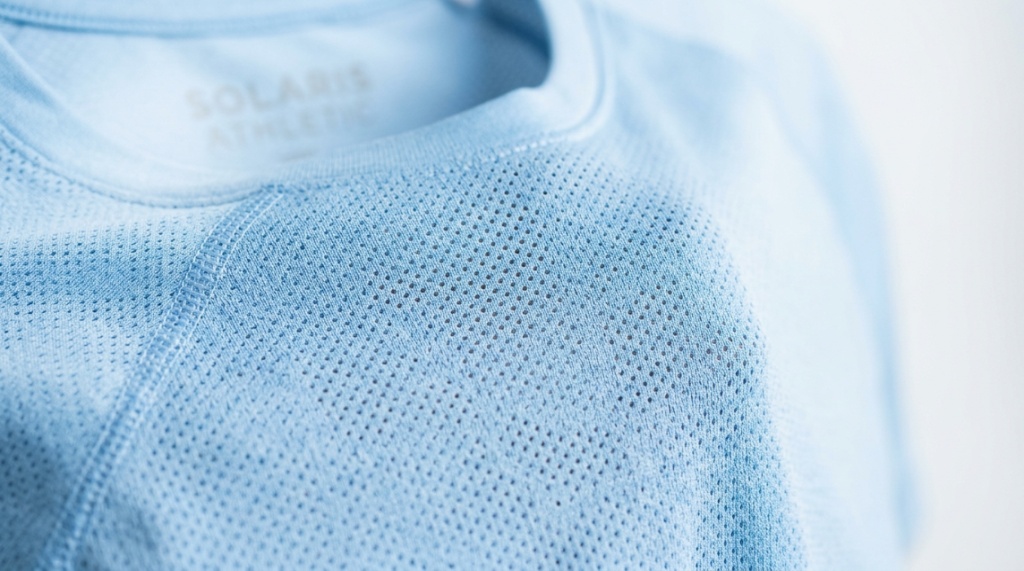
- Mesh or perforated panels: Allows air to move through high-heat zones (underarms, back).
- Lightweight denier: Thinner yarns create less insulation.
- UPF rating with good breathability: UPF 50+ fabric that is still porous enough to breathe.
Which fabric types are best for keeping you cool?
The best cooling fabrics for UV shirts are polyester blends with added features, bamboo rayon, treated nylon, and merino wool blends. Polyester is the most common because it wicks moisture well, but not all polyester is equal. Look for “coolmax” or “supplex” nylon for a silky, airy feel.
Bamboo rayon is naturally thermoregulating and incredibly soft. It absorbs moisture without feeling wet, making it a top choice for humid climates. Merino wool blends are excellent for variable temperatures but can be pricier. Avoid 100% cotton, as it holds moisture and becomes heavy and clammy.
Comparison table:
| Fabric | Cooling Ability | Drying Speed | Best For |
|---|---|---|---|
| Polyester (coolmax) | High | Fast | High intensity activity |
| Bamboo rayon | High | Moderate | Humid, hot conditions |
| Nylon (supplex) | Moderate-High | Fast | Water sports, hiking |
| Merino blend | Moderate | Slow | Cool mornings, warm afternoons |
| Cotton | Low | Slow | Not recommended for active use |
How does UPF rating affect breathability and comfort?
UPF rating does not directly reduce breathability, but the fabric construction used to achieve high UPF can. A UPF 50+ shirt does not have to be thick or airtight. Modern fabrics achieve high UPF through tight weaves of fine yarns or chemical treatments, not through thickness.
Many people mistakenly think higher UPF means hotter. Actually, a well-designed UPF 50+ shirt can be very breathable if it uses the right knit structure. Look for “UPF 50+ with moisture wicking” or “cool touch technology.” Avoid shirts that list UPF but feel like stiff plastic—that indicates poor design.
Practical tip: Check the fabric weight. A UPF 50+ shirt weighing less than 150 grams per square meter is likely to be cool. Heavier fabrics trap heat no matter the UPF.
What features should I look for in a cooling UV shirt?
Look for mesh ventilation panels, flatlock seams, raglan sleeves, and a loose but not baggy fit. These features reduce friction and improve airflow. Also consider shirt length: longer lengths can be tucked in without bunching, which reduces trapped heat.
Specific features to prioritize:
- Mesh back or underarm vents – Direct airflow to hot spots.
- Flatlock seams – Prevent chafing and feel cooler against skin.
- Raglan sleeves – Allow full arm movement and reduce underarm fabric layers.
- Drop-tail hem – Stays tucked and reduces bulk.
- Zippered pockets – Allow ventilation when open.
One model I’ve tested uses side mesh panels that you can actually feel the breeze through. It’s a game changer when you’re active.
Can a UV shirt actually keep you cooler than no shirt?
Yes, a quality UV shirt can keep you cooler than bare skin in direct sunlight. This sounds counterintuitive, but it’s true. The shirt blocks solar radiation from directly heating your skin, while also wicking sweat away. Bare skin heats up faster and loses moisture inefficiently.
Think of it like wearing a thin, breathable shade. The fabric creates a barrier that reflects or absorbs UV rays before they hit your skin. Combined with evaporative cooling from sweat, the net effect is a lower skin temperature. Many athletes prefer lightweight long sleeves for this reason.
Scientific backing: Studies show that white, loose-fitting UPF clothing lowers core temperature compared to bare skin in hot environments. The key is the shirt must be designed for cooling, not just sun blocking.
When should I choose a looser fit versus a tighter fit for coolness?
A looser fit is generally better for ventilation, but a slight drape helps air circulate. However, overly baggy shirts can trap heat if they bunch up. The ideal fit is a relaxed silhouette that doesn’t cling to skin, but also doesn’t flap around.
For high-intensity activity like running or hiking, a slightly fitted shirt with mesh panels can be better because it stays in place and directs airflow. For casual beach wear, a looser cut works fine. The key is fabric that doesn’t stick when wet.
Avoid tight compression-style UV shirts unless they have specific cooling fabric technology, as they often trap heat.
How do I test if a UV shirt will be cool before buying?
Perform a simple breathability test: Hold the shirt up to your mouth and exhale. If you feel air moving through easily, it’s likely cool. Also check the fabric’s weight and stretch. A shirt that feels light and has some give will usually breathe better.
Read product descriptions for terms like “four-way stretch,” “airflow mesh,” and “cooling finish.” Look for independent reviews that mention “breezy” or “doesn’t trap heat.”
Check the care instructions—shirts that require special washing often have delicate treatments that affect breathability. Machine washable is ideal.
What are the best affordable options for women’s cooling UV shirts?
Affordable options exist if you know where to look. Many outdoor brands offer budget-friendly models with good cooling. The key is to avoid luxury branding and focus on performance features. For example, UV shirts cool that are both affordable and effective combine mesh panels with lightweight polyester.
Look for options from brands like Columbia, Baleaf, or Coolibar. They offer models under $40 that perform well. Avoid generic fast fashion UV shirts—they often use cheap, non-breathable fabric.
One great choice is the Columbia PFG long sleeve—it’s affordable, has roll-up sleeves, and uses Omni-Wick technology. Another is the Baleaf UPF 50+ hooded shirt, which has thumbholes and vented back.
Can I wear a UV shirt in water without it getting heavy and hot?
Yes, but only if it’s specifically designed for water use. Look for shirts labeled “swim shirt” or “water sports.” These use hydrophobic materials that dry quickly and don’t absorb water. They stay lightweight even when wet.
A standard UV shirt not made for water will become heavy and trap water, making you feel cold or clammy. For swimming or paddleboarding, choose a rashguard-style shirt with flatlock seams and stretch fabric.
Mesh drainage panels also help—they allow water to exit quickly, reducing weight.
What color is coolest for a UV shirt?
White or light colors are coolest in direct sun because they reflect sunlight. Darker colors absorb more heat, but they can also block UV slightly better. For maximum coolness, choose white, pastel, or light grey.
However, color matters less than fabric technology. A black shirt with excellent breathability and moisture wicking can actually feel cooler than a white cotton shirt. I’ve tested both—the fabric type dominates the temperature perception.
If you prefer dark colors, look for a shirt with a “cooling finish” or reflective threads that reduce heat absorption.
How should I care for my UV shirt to maintain its cooling properties?
Wash in cold water, avoid fabric softeners, and air dry. Fabric softener coats the fibers and reduces moisture-wicking ability. Dryer heat can degrade stretch and cooling treatments.
Turn the shirt inside out to protect the UV finish. Avoid bleach. Most quality cooling shirts last 50+ washes before losing performance.
If you notice the shirt starting to feel less breathable, try washing with a sports detergent designed for technical fabrics. This restores moisture-wicking.
When sourcing lightweight fabrics that handle intense heat and humidity, look at what successful fashion retailers are stocking in warmer climates. For instance, top Boutique Owners in Atlanta consistently prioritize moisture-wicking nylon blends to keep their customers cool and sunburn-free during peak summer months.
Frequently Asked Questions
Do UV shirts really block all sun?
No, UPF 50 blocks 98% of UV rays, which is considered excellent. No fabric blocks 100%, but UPF 50+ is the highest standard for clothing.
Can I wear a UV shirt instead of sunscreen?
For covered areas, yes, if the shirt has UPF 50+ and covers the skin fully. But apply sunscreen to exposed areas like hands, face, and neck.
Why does my UV shirt smell after sweating?
Bacteria can build up in synthetic fabrics. Wash with a sport detergent or a vinegar rinse to remove odors. Avoid using too much detergent.
Are expensive UV shirts worth it?
Not always. Many affordable options perform equally well. Focus on features and fabric quality rather than brand name. The affordable models listed earlier are excellent.
How often should I replace my UV shirt?
Replace every 1-2 years with regular use, or when you notice it becoming thin or losing stretch. The UPF rating degrades over time with washing.
Can I wear a UV shirt in cold weather?
Yes, you can layer it under a jacket. Some cooling shirts also have thermal properties, but most are designed for warm conditions.
Do men’s and women’s UV shirts differ in cooling?
Women’s shirts often have different fit (narrower shoulders, waist shaping) but the cooling technology is the same. Choose the fit that works for your body.
Conclusion
Choosing a women’s UV shirt that doesn’t feel hot comes down to fabric intelligence, not price. Prioritize breathable materials like polyester blends with mesh, lightweight constructions, and moisture-wicking finishes. Don’t be fooled by high UPF numbers if the fabric feels thick—modern technology allows both protection and airflow. Remember to test breathability, check for venting features, and care for your shirt properly to maintain its cooling power. With the right choice, you’ll stay protected, comfortable, and active all day. Start with the recommended affordable options to feel the difference.