Key Takeaways
- Sustainable drainage systems (SuDS) can help prevent flooding and reduce property damage.
- There are diverse options available, including permeable paving, rain gardens, and rainwater harvesting systems.
- Implementing SuDS can enhance the look and value of residential properties while supporting local ecology.
Managing stormwater is an essential part of homeownership, especially in areas prone to heavy rainfall and urban runoff. Without proper systems in place, homes are at risk of flooding and water damage. Integrating drainage solutions helps protect both your property and the surrounding environment. By learning about modern, sustainable drainage methods, homeowners can make informed choices that benefit their residences and their communities alike.
As cities expand and surfaces become more impermeable, traditional stormwater systems are often unable to keep pace. Homeowners play a significant role in managing water responsibly. This article explores how sustainable drainage systems (SuDS) can enhance residential properties, prevent flooding, and even help safeguard nearby natural resources.
Sustainable stormwater management can enhance curb appeal, increase property value, and contribute to overall community well-being. Emphasizing natural infiltration and storage solutions is not only a practical step for water control but also reinforces a commitment to environmental stewardship. An excellent companion to these ideas is the integration of water features, which can transform functional spaces into beautiful, eco-friendly landscapes.
Whether dealing with stormwater runoff or designing a new build, homeowners should explore different SuDS options and understand the broader benefits of this proactive approach. Neatly implemented, these systems are investments for property longevity and neighborhood resilience.
Understanding Sustainable Drainage Systems (SuDS)
Sustainable Drainage Systems are engineered to mimic natural water absorption and slow the movement of runoff. Instead of rapidly channeling rainwater into overloaded sewers, SuDS encourage water to soak into the soil or be temporarily stored. By mimicking natural hydrology, these systems filter out pollutants and decrease the risk of flash flooding in built-up areas, making them particularly useful for urban and suburban homes.
Benefits of Implementing SuDS in Residential Areas
Adopting SuDS at home provides multiple benefits, both immediate and long-term:
- Flood Prevention: SuDS limit the volume and rate of runoff entering city drains, curbing localized flooding.
- Enhanced Property Value: Features such as green roofs and porous walkways add beauty and practical value to homes, making properties more appealing to buyers.
- Environmental Impact: SuDS facilitate groundwater recharge and filter out toxins, thereby improving local water quality and encouraging biodiversity in planted systems such as rain gardens.
Popular SuDS Options for Homeowners
There are several sustainable drainage solutions that homeowners can easily incorporate into their properties:
Permeable Paving
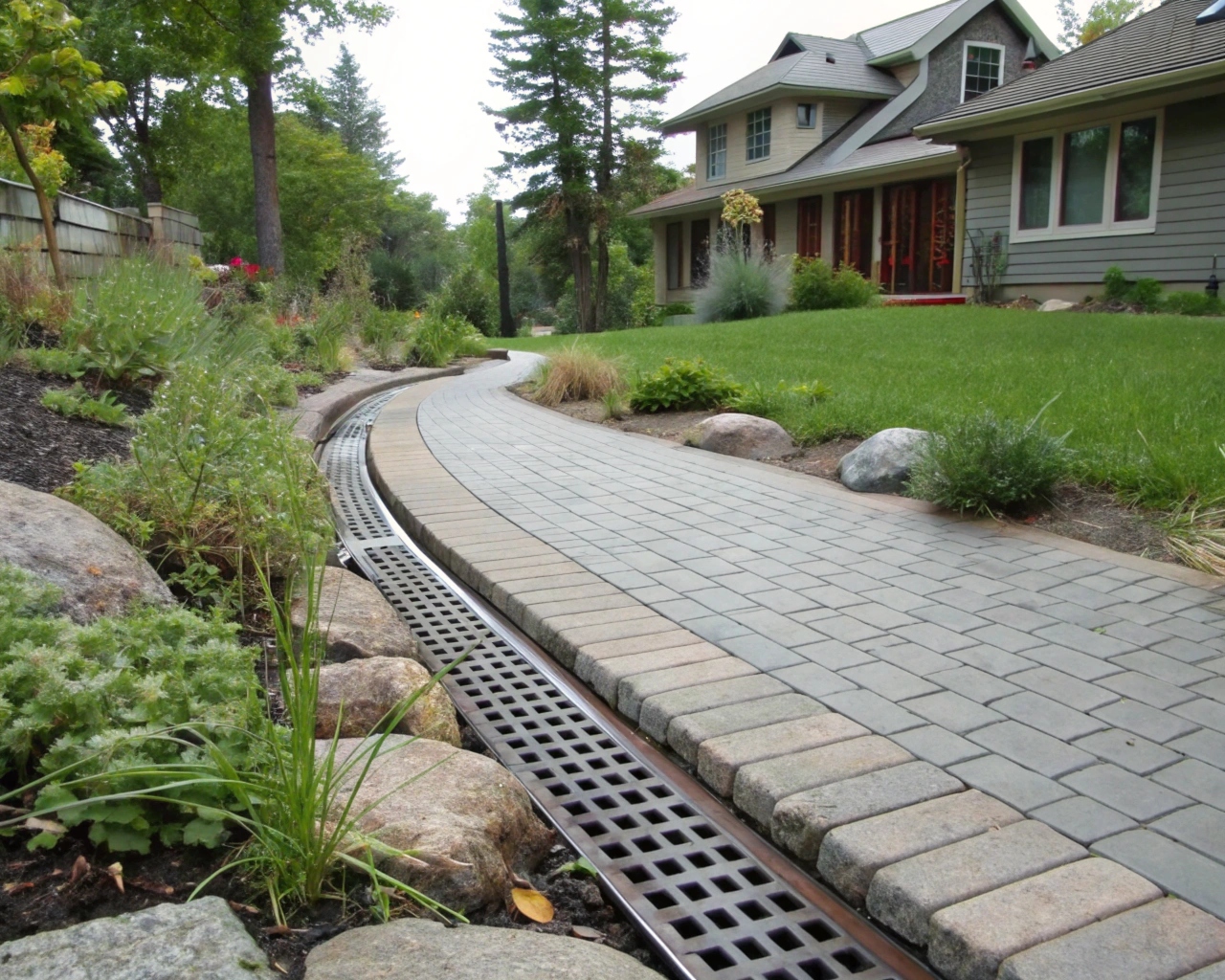
Permeable paving uses materials that allow water to pass through, reducing runoff volume and allowing rain to soak naturally into the soil. Options like porous concrete, gravel, or interlocking pavers can be customized for driveways, patios, and walkways, supporting both function and style.
Rain Gardens
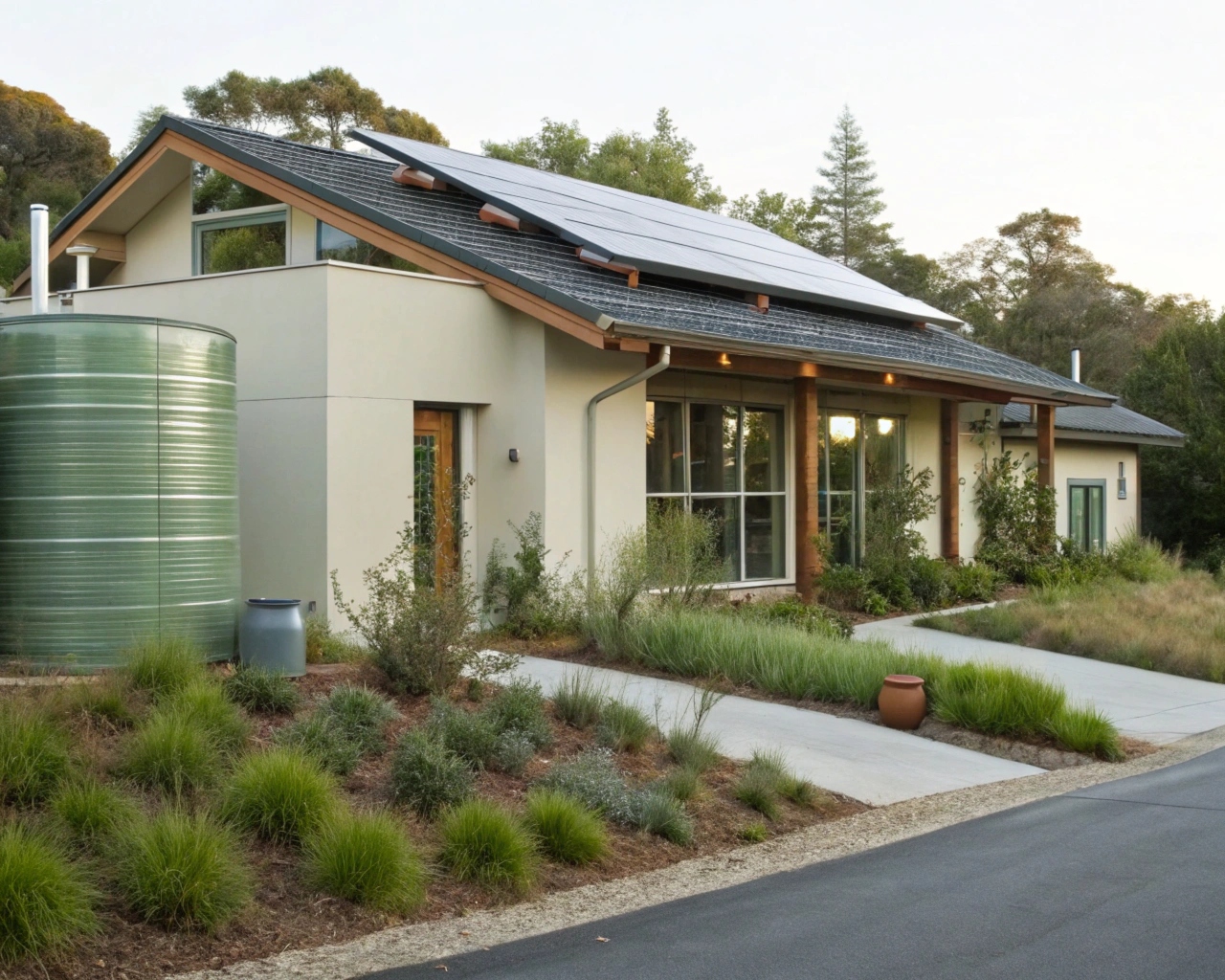
Rain gardens are shallowly excavated, planted areas that capture and absorb rainwater from roofs, patios, and paved surfaces. Not only do they help with drainage, but they also increase habitat for pollinators and create vibrant landscape features that can thrive with minimal maintenance once established.
Rainwater Harvesting Systems
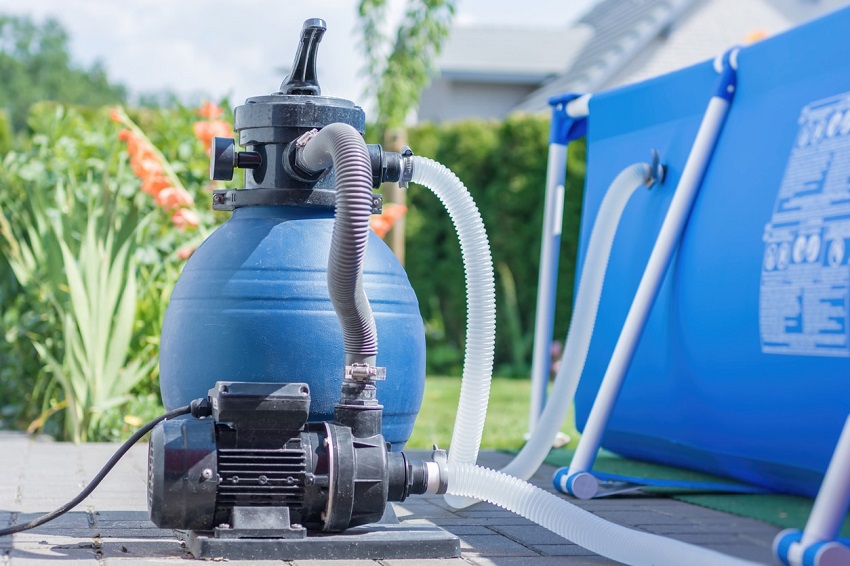
Collecting rainwater in barrels or tanks for later use reduces demand on municipal supplies and keeps water on-site for garden or lawn irrigation. Modern rainwater harvesters can be integrated with watering systems or garden storage tanks to make efficient, sustainable use of rainfall.
Real-Life Examples of SuDS Implementation
Pittsburgh’s Rain Reclaim Initiative
Pittsburgh’s Rain Reclaim Initiative is a prime example of a community-wide SuDS program. By transforming vacant lots into green stormwater management areas, this project not only alleviates flood risk but also beautifies the city and improves water quality.
Oakland County’s RainSmart Rebates
In Michigan, Oakland County’s RainSmart Rebates program, which has supported hundreds of homeowner-led projects, demonstrates how incentives can spur widespread adoption of sustainable drainage practices. Rain gardens, tree plantings, and rain barrels have collectively managed millions of gallons of stormwater each year.
Steps to Implement SuDS in Your Home
- Assess Your Property: Identify areas where rainwater tends to collect or where it flows quickly off the landscape.
- Choose Appropriate Solutions: Select SuDS systems such as rain gardens, permeable paving, or rainwater harvesting setups that fit your needs and your property’s layout.
- Consult Professionals: Engage with landscape designers or stormwater experts to plan and install the systems effectively.
- Maintain Consistently: Regular maintenance ensures that SuDS continue to perform as intended, preserving both function and appearance over time.
Conclusion
Homeowners who invest in sustainable drainage solutions take meaningful steps to reduce flood risk, safeguard property, and promote environmental health. From permeable driveways to attractive rain gardens, there is a wide array of options that can meet a variety of needs and complement any home. A proactive approach today will help ensure homes and neighborhoods are equipped to handle stormwater challenges in the years ahead.