Urban environments are bustling hubs of human activity, characterized by dense populations, diverse infrastructure, and a myriad of ecological niches. While cities are designed to support human life, they also inadvertently offer hospitable environments for various pests. These pests, ranging from rodents and insects to birds, can pose significant health risks, inflict structural damage, and create uncomfortable living conditions. Consequently, professional pest control plays a pivotal role in managing these challenges and ensuring urban environments remain safe and livable.
Understanding Urban Pest Challenges
In urban settings, the close proximity of buildings and limited open spaces provide pests with ample opportunities to thrive. Common urban pests include rodents, cockroaches, termites, and bed bugs. These creatures are adept at exploiting human habitats, feeding on food scraps, nesting in infrastructure, and spreading diseases.
Rodents, for example, are notorious for their ability to adapt to urban environments. They can cause extensive damage by gnawing on electrical wires, leading to potential fire hazards, and contaminating food supplies with pathogens. Insects like cockroaches and termites can invade homes and businesses, causing significant structural damage and posing health risks through the transmission of diseases.
The Importance of Professional Pest Control
Professional pest control services are integral to managing and mitigating the impact of pests in urban areas. These services offer a range of solutions that go beyond mere extermination. They include prevention, monitoring, and management strategies tailored to the specific needs of urban environments.
Prevention and Monitoring
Prevention is the first line of defense against urban pests. Professional pest control services can identify potential entry points and vulnerabilities in buildings, recommending structural changes and sanitation practices to deter pest entry. Regular monitoring helps in early detection, allowing for prompt action before infestations become severe.
Effective Management Strategies
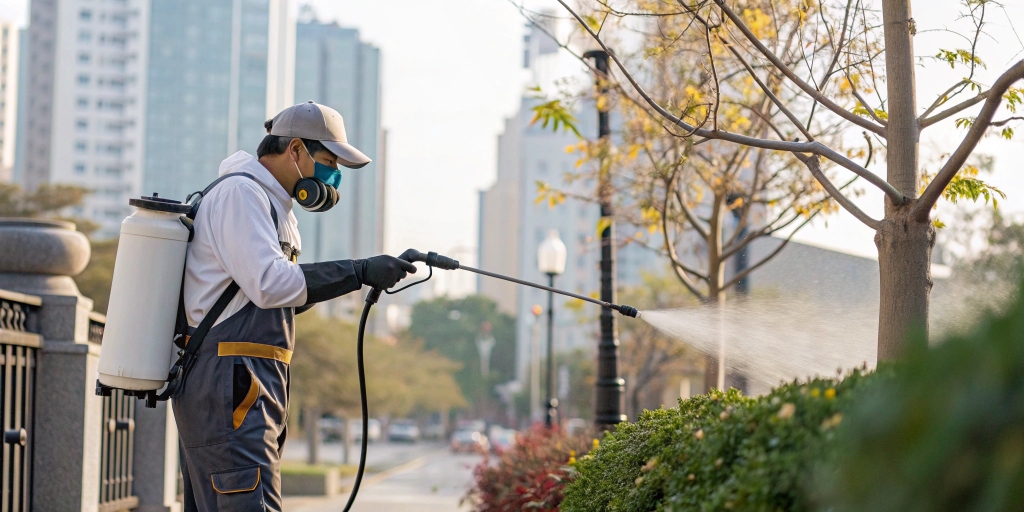
Professional pest control companies employ integrated pest management (IPM) strategies, which combine chemical, biological, and physical control methods to effectively manage pest populations. IPM focuses on long-term prevention and control, minimizing the use of harmful chemicals and focusing on environmentally friendly practices.
The expertise of professional pest controllers ensures that the most effective and safe methods are used to address specific infestations, reducing the risk of harm to residents and the environment.
The Economic and Health Benefits
Investing in professional pest control services can lead to significant economic benefits. By preventing and managing infestations, property owners can avoid costly repairs and potential health violations. Additionally, maintaining a pest-free environment is crucial for businesses, particularly those in the food and hospitality industries, where reputational damage from pest issues can be severe.
Health benefits are equally important. Professional pest control reduces the risk of disease transmission and allergies associated with pests. This contributes to the overall well-being of urban populations, enhancing quality of life and public health outcomes.
Conclusion
In conclusion, the role of professional pest control in urban environments is indispensable. By leveraging their expertise and advanced methodologies, pest control professionals help safeguard urban spaces, ensuring they remain safe, healthy, and comfortable for all inhabitants. For residents seeking reliable solutions, local services offering Rodent removal near me can provide targeted and effective pest management strategies tailored to urban challenges.