What you wear to the gym matters more than most people realize. The right fitness clothing supports your movement, keeps you comfortable, and helps you feel confident. However, with so many options available today, choosing the right pieces can feel overwhelming.
This article will help you cut through the noise. You will learn what to look for in men’s fitness clothing, how to balance performance with style, and how to build a wardrobe that works as hard as you do. Whether you are a seasoned athlete or just starting out, these insights will help you make smarter choices at every price point.
Why Your Gym Clothing Affects Your Performance
Many people treat gym clothes as an afterthought. They reach for the oldest t-shirt in the drawer and call it a workout outfit. However, the fabric, fit, and construction of your clothing directly impact how well you move.
Clothing that is too loose can catch on equipment or restrict your range of motion. Clothing that is too tight may limit circulation and cause discomfort. Additionally, the wrong fabric can trap heat and sweat, leading to chafing and skin irritation over time.
Therefore, choosing the right fitness clothing is not just about looking good. It is a genuine investment in your physical performance and long-term comfort.
The Foundation: Choosing the Right Fabric
Fabric is the most important factor in any workout garment. The material determines how the clothing breathes, stretches, and holds up over time. Understanding your options will help you make much better decisions when shopping.
Moisture-Wicking Synthetic Fabrics
Polyester and nylon are the most popular choices for gym clothing. These fabrics are lightweight and breathe well. They also pull sweat away from your skin and allow it to evaporate quickly. This process is called moisture-wicking, and it keeps you dry and comfortable during intense sessions.
Additionally, synthetic fabrics hold their shape well over time. They resist shrinking and stretching out, which means your clothes will look good even after many washes.
Spandex and Elastane Blends
Most performance clothing includes a small percentage of spandex or elastane. This gives the fabric stretch and allows it to return to its original shape. For movements like squats, lunges, and stretching, this flexibility is essential.
However, too much spandex can make a garment feel restrictive or uncomfortably tight. Look for blends where spandex makes up around ten to twenty percent of the fabric composition.
Cotton: When It Works and When It Does Not
Cotton is breathable and soft against the skin. It feels great in casual settings. However, it absorbs sweat and stays wet for a long time. This makes it a poor choice for high-intensity training. For light activity, yoga, or warm-ups, cotton can work. For serious gym sessions, choose synthetic options instead.
Fit and Function: Getting the Right Cut for Your Workout
The cut of your clothing should match the type of training you do. Different exercises demand different levels of freedom and support. Understanding this will help you avoid buying pieces that work against you.
Training Shorts
For lower body workouts and cardio sessions, shorts are a popular choice. Look for an inseam length that suits your comfort level. Shorter inseams, around five to seven inches, allow more freedom of movement. Longer inseams provide more coverage and can feel more secure during leg day.
Additionally, look for shorts with an internal liner. This provides extra support without the need for separate compression wear underneath.
Training Trousers and Joggers
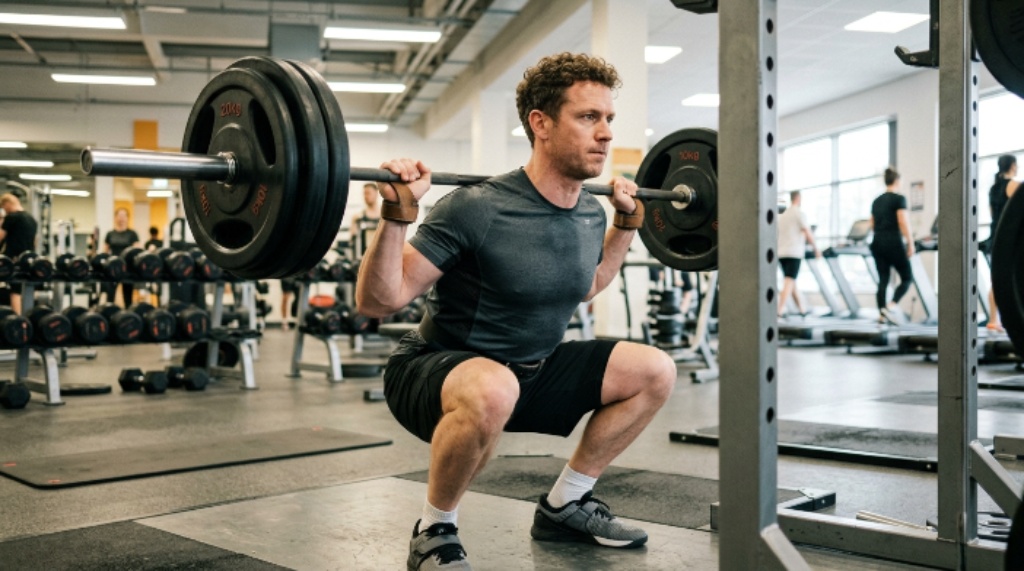
Joggers have evolved significantly as part of modern activewear trends. Today’s options are slim-cut, tapered at the ankle, and designed to look polished inside and outside the gym. They work well for weightlifting, where a full range of leg coverage helps keep muscles warm.
Look for a tapered fit with an elastic or drawstring waistband. Avoid overly baggy styles, as these can bunch up and interfere with your movement.
T-Shirts and Tank Tops
For upper body training, choose between a fitted t-shirt and a tank top based on personal preference. Fitted t-shirts offer more coverage and work well in cooler gym environments. Tank tops allow greater airflow and freedom of movement for shoulder-intensive exercises.
Therefore, having both options in your rotation gives you flexibility across different training conditions and seasons.
Compression Gear
Compression shirts and shorts fit tightly against the body. They support your muscles during exercise and may help reduce fatigue over long sessions. Additionally, compression gear can aid recovery by improving circulation after a tough workout.
However, compression wear is not essential for everyone. If you find tight-fitting clothes uncomfortable, it is perfectly fine to skip this category.
Style Without Sacrificing Performance
There is a common belief that performance and style are opposites. This is simply not true. Modern gym outfit ideas often feature clean designs, neutral palettes, and thoughtful details that look great while functioning at a high level.
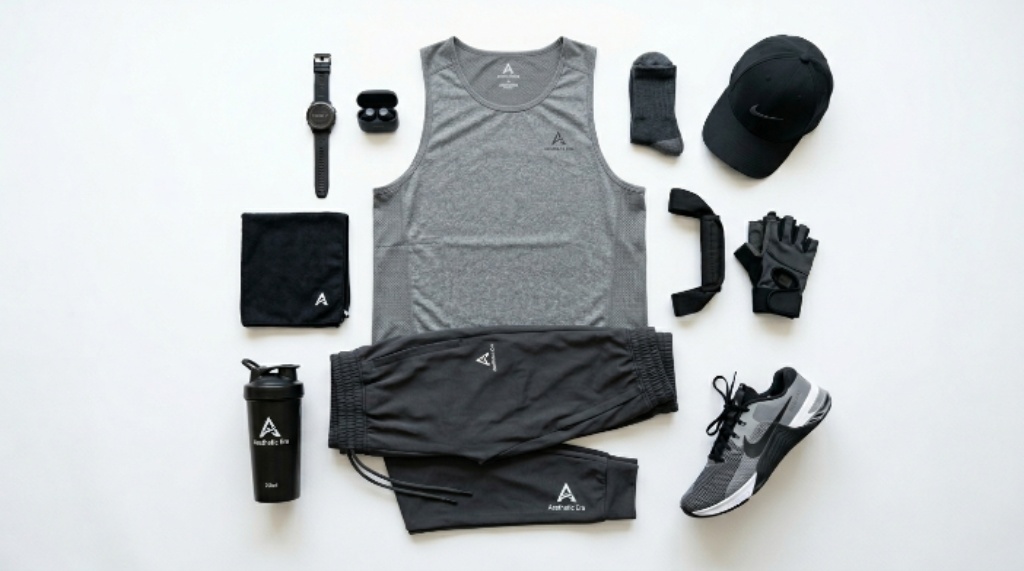
Choosing a cohesive color palette for your gym wardrobe is a simple but effective strategy. Stick to two or three base colors that mix and match easily. Black, grey, navy, and olive are all versatile choices that work together without much effort.
Additionally, pay attention to the small details. Quality waistbands, minimal visible branding, and clean stitching all contribute to a polished look. These elements separate a thoughtful outfit from a random collection of clothes.
You do not need to spend a lot of money to look put-together. Many mid-range brands now deliver excellent style alongside reliable performance. The key is knowing what to look for.
Layering for Versatility Inside and Outside the Gym
A good layering strategy extends the life and usefulness of your gym wardrobe. It also helps you transition from a workout to other parts of your day without needing a full outfit change.
Start with a moisture-wicking base layer that sits close to your skin. Add a lightweight zip-up or hoodie for warmth during warm-ups or outdoor sessions. Choose a style that is easy to remove and tie around your waist or pack into a bag.
Additionally, a lightweight jacket that works both in and out of the gym adds significant value to your wardrobe. Look for packable options that do not take up too much space in your gym bag.
Following Activewear Trends Without Losing Practicality
Keeping up with activewear trends can be fun, but it requires balance. Trends change quickly. Buying into every new style can become expensive and result in a wardrobe full of pieces that feel outdated within a season or two.
The smart approach is to build a strong foundation of classic, functional pieces first. Once that foundation is solid, you can selectively add trend-led items that genuinely appeal to you. This way, your wardrobe stays fresh without losing its practical core.
For example, color-blocked designs, tonal outfits, and technical fabrics are all popular right now. However, they also happen to be functional. Therefore, following these particular trends does not mean sacrificing performance for style.
Building a Practical Men’s Gym Wardrobe on Any Budget
You do not need an unlimited budget to build a functional and stylish gym wardrobe. A few well-chosen pieces will take you further than a large collection of mediocre ones.
Here is a solid starting point for a versatile gym wardrobe:
- Two to three pairs of training shorts or joggers in neutral colors
- Three to four moisture-wicking t-shirts or tank tops
- One pair of compression shorts or tights for recovery and high-intensity work
- A lightweight hoodie or zip-up for layering
- A good pair of training shoes suited to your primary activity
Additionally, invest in a proper gym bag to keep everything organized. A structured bag with separate compartments for shoes and wet gear makes your routine much smoother.
Start with these essentials and expand over time. Buying fewer but better pieces is always more effective than buying many cheap items that wear out quickly.
Caring for Your Fitness Clothing
Proper care extends the life of your gym clothes significantly. Synthetic fabrics, in particular, require specific care to maintain their performance properties.
Always wash gym clothes in cold water. Hot water damages elastic fibers and causes shrinkage. Use a gentle detergent designed for activewear. Regular detergents can leave residue that traps odor and breaks down fabric over time.
Additionally, avoid fabric softeners. They coat synthetic fibers and reduce their moisture-wicking ability. Air dry your clothes whenever possible. High heat from a dryer degrades spandex and can cause pilling.
Turning garments inside out before washing also helps protect their outer surface and color. These simple habits will keep your clothing performing well for much longer.
Conclusion
Choosing the right men’s fitness clothing comes down to understanding a few key principles. Start with fabric. Prioritize moisture-wicking synthetics that keep you dry and comfortable. Then focus on fit. Match the cut of your clothing to the type of training you do.
Additionally, build a cohesive wardrobe around versatile, neutral pieces. You can follow current gym outfit ideas and activewear trends selectively, but always keep function at the center of your decisions. Style and performance are not at odds. The best gym clothing delivers both.
Finally, take care of what you own. Proper washing and storage habits extend the life of your gear and protect your investment. With the right approach, your gym wardrobe can serve you well for years to come.
Frequently Asked Questions
1. How much should I spend on men’s gym clothing?
You do not need to spend a lot to get quality gym clothing. A reliable set of essentials can be built for under $100 if you choose carefully. Focus on fabric quality and fit rather than brand names. Mid-range brands often deliver excellent performance at a fraction of premium prices.
2. What is the best fabric for gym shirts?
Polyester blends with a small amount of spandex are the best choice for most gym activities. They wick moisture effectively, stretch with your body, and hold their shape after repeated washing. Avoid pure cotton for high-intensity workouts, as it retains sweat and can cause chafing.
3. Should gym clothes be tight or loose?
The ideal fit depends on your activity. Compression gear and fitted shorts work well for running and cardio. For weightlifting, a slightly relaxed fit in the upper body and fitted shorts or joggers on the lower body tend to work best. Avoid anything so loose that it interferes with your movement or catches on equipment.
4. How often should I replace my gym clothes?
With proper care, quality gym clothes can last two to three years. Signs that it is time to replace a garment include flattened elastic, persistent odor after washing, fabric thinning, and loss of shape. Compression gear tends to wear out faster than regular shorts or t-shirts due to the tighter weave.
5. Can I wear gym clothes outside the gym?
Absolutely. Modern fitness clothing is designed with versatility in mind. Joggers, fitted t-shirts, and lightweight hoodies all transition well from the gym to casual everyday settings. Pairing gym pieces with clean sneakers and neutral tones creates a polished athleisure look that works in many social environments.
Related Topics:
Beyond Limits: Screen Time Control Alternatives for Children
Stress-Free Holidays: Fitness Categories for Wellness & Calm