Fishing waders are waterproof clothing designed to allow anglers to stand in water while staying dry and comfortable. They are commonly used in rivers, lakes, and streams where fishermen need to enter the water to reach better casting spots. Waders act as protective gear that prevents water from soaking clothing while also offering insulation against cold water temperatures.
For many anglers, waders are not just optional gear—they are essential equipment. According to outdoor recreation surveys in North America, nearly 60% of freshwater anglers report using waders at least once a season, particularly those who practice fly fishing or river fishing. The ability to step into the water improves casting angle, reduces line drag, and increases access to fish that cannot be reached from shore.
However, not all waders are built the same. Materials, fit, insulation, durability, and breathability all affect performance. Choosing the wrong pair can result in discomfort, leaks, overheating, or restricted movement. That’s why understanding the key features before buying is critical.
This fishing gear guide explains the important features to look for in fishing waders, including material types, sizing, waterproof construction, durability, and comfort. Whether you are new to fishing or upgrading your waterproof clothing setup, this guide will help you choose the right waders for your needs.
What Types of Fishing Waders Are Available?
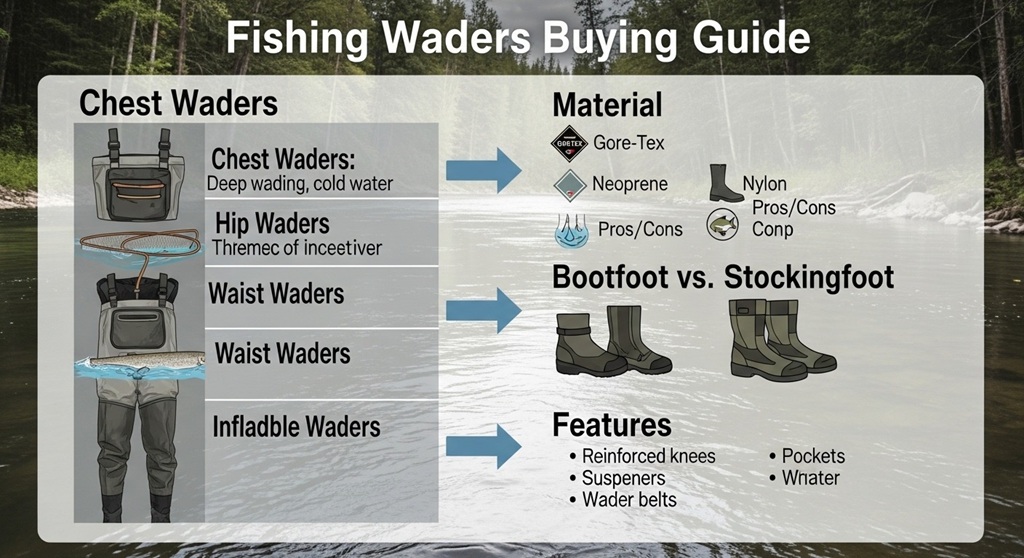
Fishing waders come in three main styles: hip waders, waist-high waders, and chest waders. Each type is designed for different fishing conditions and water depths.
1. Hip Waders
Hip waders extend from the feet to the hips. They are ideal for shallow water and warm-weather fishing.
- Lightweight and easy to wear
- Best for streams or shallow rivers
- Easy to pack and transport
- Less protection in deeper water
2. Waist-High Waders
Waist-high waders, also called waist waders, extend to the waist and provide more coverage than hip waders.
- Good balance of mobility and protection
- Suitable for moderate water depth
- More breathable for warmer climates
- Often preferred by summer anglers
3. Chest Waders
Chest waders extend up to the chest and are the most common option for anglers.
- Allow fishing in deeper water
- Provide better weather protection
- Ideal for fly fishing and river fishing
- Most versatile option
Because of their versatility, chest waders dominate the market. Outdoor retail reports show that chest waders account for nearly 70% of wader sales in North America.
What Materials Are Used in Fishing Waders?
The material used in fishing waders determines comfort, durability, and breathability. The three most common materials are neoprene, breathable fabric, and rubber or PVC.
Neoprene Waders
Neoprene is a thick synthetic rubber used for insulation. These waders are commonly used in cold environments.
- Excellent insulation
- Durable and puncture resistant
- Good for cold water fishing
- Heavier than breathable fabrics
Breathable Waders
Breathable waders are made using multi-layer waterproof membranes that allow sweat vapor to escape.
- Lightweight and comfortable
- Reduce overheating
- Ideal for long fishing sessions
- More expensive than neoprene
A study published by outdoor gear manufacturers shows breathable fabrics can reduce internal moisture buildup by nearly 30% compared to non-breathable waders during extended activity.
Rubber or PVC Waders
Rubber or PVC waders are traditional waterproof clothing options.
- Affordable
- Highly waterproof
- Less breathable
- Can become uncomfortable in warm weather
For most modern anglers, breathable waders provide the best balance of comfort and durability.
How Important Is Waterproof Construction in Fishing Waders?
Waterproof construction is one of the most important features of fishing waders. Even a small leak can make fishing uncomfortable and shorten the lifespan of the gear.
Modern waders use seam sealing and multi-layer fabric technology to ensure waterproof performance.
Key Waterproof Features
- Fully taped seams
- Reinforced knees and seat panels
- Waterproof membrane layers
- High-quality boot or stocking seams
Independent gear testing has shown that poorly sealed seams are responsible for nearly 40% of early wader failures. This makes seam construction one of the most important factors to evaluate before buying.
What Fit and Sizing Factors Should You Consider?
Proper fit is essential for comfort and safety while fishing. Waders that are too tight restrict movement, while loose waders can create drag in water.
Key Fit Considerations
- Chest size
- Inseam length
- Boot size compatibility
- Layering room for cold weather
Most manufacturers provide detailed sizing charts to match body measurements. Anglers who fish in cold climates should choose slightly roomier waders to accommodate thermal layers underneath.
A well-fitting pair of waders allows full mobility for walking, casting, and climbing riverbanks.
Should You Choose Bootfoot or Stockingfoot Waders?
Fishing waders are available in two boot configurations: bootfoot and stockingfoot.
| Feature | Bootfoot Waders | Stockingfoot Waders |
|---|---|---|
| Boot type | Attached waterproof boots | Separate wading boots required |
| Ease of use | Quick to wear | More setup time |
| Comfort | Moderate | Higher support |
| Mobility | Lower | Better traction and mobility |
Stockingfoot waders are commonly used by fly anglers because they allow specialized wading boots with better grip on slippery riverbeds.
Why Does Breathability Matter in Fishing Waders?
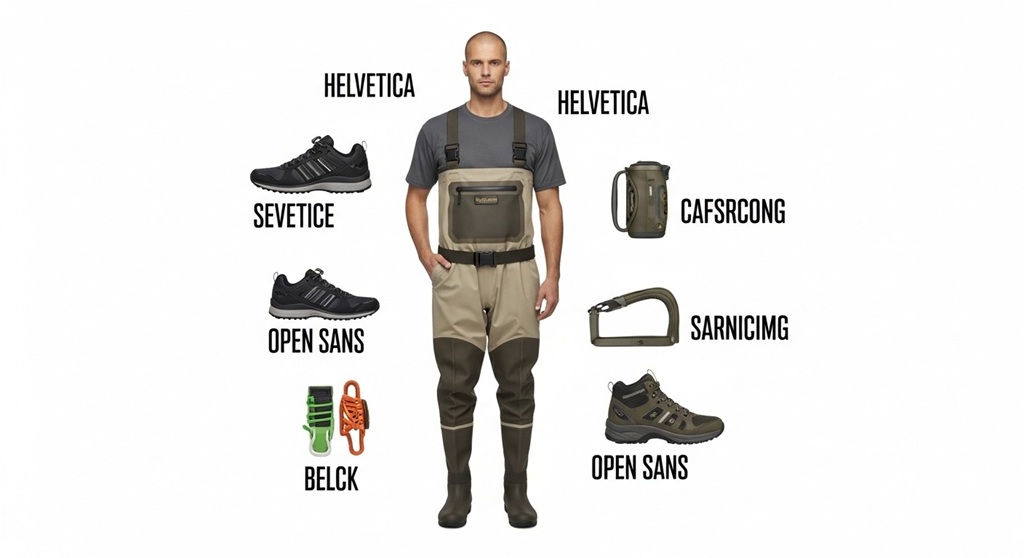
Breathability determines how well moisture escapes from inside the waders. Without breathability, sweat builds up during physical activity.
Anglers who hike to fishing spots or spend several hours in the water benefit significantly from breathable fabrics.
Breathable waders use layered membranes that block water entry while allowing air circulation. This helps regulate body temperature and improves comfort during long fishing sessions.
In warmer climates, breathable waders reduce overheating and fatigue.
What Durability Features Should You Look For?
Fishing environments often involve rocks, branches, and rough terrain. Durable construction helps waders last longer.
Important Durability Features
- Reinforced knee panels
- Heavy-duty gravel guards
- Abrasion-resistant fabric
- Double-stitched seams
Case studies from outdoor equipment testing labs show that reinforced knee panels can extend the lifespan of waders by nearly 25% compared to standard fabric designs.
Are Additional Features Worth Considering?
Modern fishing waders include several additional features that improve convenience and safety.
Common Extra Features
- Water-resistant chest pockets
- Hand warmer pockets
- Adjustable suspenders
- Integrated belt systems
- Gravel guards
Chest pockets are particularly useful for storing small tackle items, fishing licenses, or tools while wading.
Integrated belts also improve safety by reducing the amount of water that could enter the waders in case of a fall.
How Much Do Fishing Waders Cost?
Fishing waders vary widely in price depending on materials, brand reputation, and construction quality.
| Price Range | Typical Features |
|---|---|
| $50 – $100 | Basic rubber or PVC waders |
| $100 – $300 | Mid-range breathable waders |
| $300 – $700+ | Premium breathable waders with advanced durability |
For occasional anglers, mid-range breathable waders often provide the best balance between performance and price.
Conclusion: How Do You Choose the Right Fishing Waders?
Fishing waders are an essential part of any angler’s equipment. They allow access to deeper water, improve casting position, and keep you dry during long fishing sessions.
When selecting waders, focus on material quality, waterproof construction, fit, breathability, and durability. Breathable chest waders with reinforced seams and proper sizing provide the most versatility for different fishing environments.
Think about the type of water you fish most often. Cold environments may require neoprene insulation, while warm climates benefit from breathable waterproof clothing. Also consider whether bootfoot or stockingfoot designs better match your fishing style.
Investing in reliable waders improves comfort, safety, and overall fishing performance. When your gear works properly, you can focus on what matters most—finding fish and enjoying time on the water.
Ready to upgrade your fishing setup? Use this fishing gear guide to compare features, evaluate materials, and choose waders that match your fishing environment and experience level.
FAQ: Fishing Waders Buying Questions
1. What are fishing waders used for?
Fishing waders are waterproof clothing designed to keep anglers dry while standing in water. They allow fishermen to access deeper areas of rivers, lakes, and streams without getting wet.
2. Are breathable waders better than neoprene waders?
Breathable waders are better for warm weather and long fishing sessions because they reduce moisture buildup. Neoprene waders provide better insulation and are preferred in cold water conditions.
3. How long do fishing waders typically last?
The lifespan of fishing waders depends on usage and quality. Mid-range breathable waders typically last two to five years with proper care, while heavy-duty premium waders may last longer.
4. Should beginners buy chest waders?
Yes. Chest waders are the most versatile option for beginners because they allow fishing in deeper water and provide more protection from splashes and weather.
5. Do fishing waders keep you warm?
Fishing waders themselves do not always provide insulation. Neoprene waders offer warmth, while breathable waders rely on layering clothing underneath for temperature control.
6. Can fishing waders leak?
Yes. Waders can develop leaks from punctures, worn seams, or abrasion from rocks and branches. Proper care and storage help extend their lifespan.
7. Are stockingfoot waders better than bootfoot waders?
Stockingfoot waders offer better traction and flexibility when paired with specialized wading boots. Bootfoot waders are easier to wear and are popular for casual fishing.
Read More Also: How to Stop Your Toddler from Spilling Drinks Everywhere
Up Next: How Will AI Affect Law Firms and Their Clients?