Imagine standing in your workshop, ready to make that perfect straight cut on a sheet of expensive plywood. One wrong move, and tear-out ruins the edge. Frustration builds quickly. Many woodworkers face this issue with standard tools. However, a variable speed track saw changes everything. It offers control that turns good cuts into flawless ones.
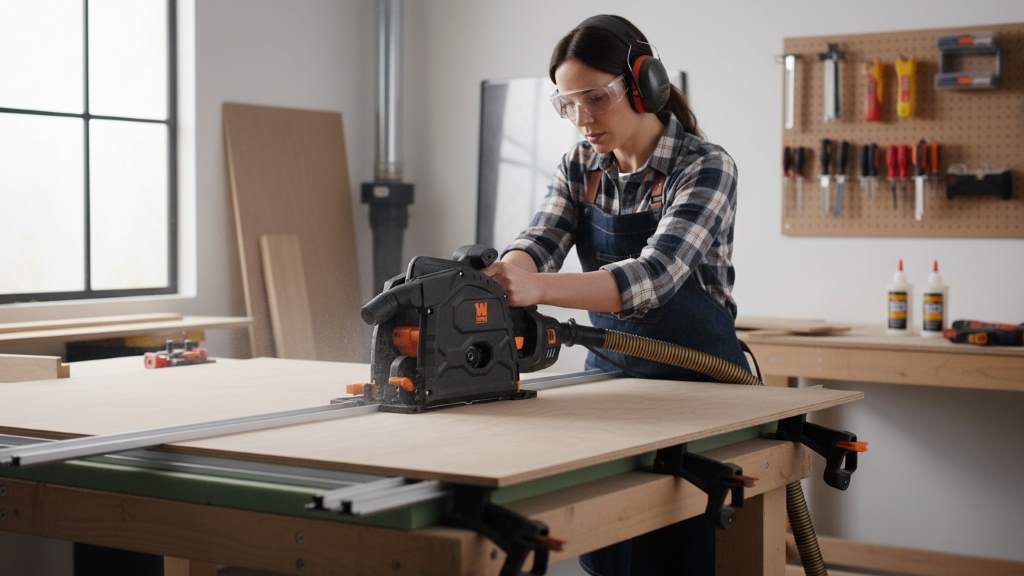
Track saws guide the blade along a rail for straight, precise results. Adding variable speed takes them further. You adjust the RPM to match the material. This feature stands out among cutting precision tools. For instance, explore options like the WEN 7.25-Inch Variable Speed Track Saw, which delivers adjustable performance for various tasks.
Experts note that proper tool selection impacts project outcomes. Studies from manufacturing sources show that optimized cutting speeds reduce material waste by up to 20% in precision work. Moreover, accurate tools lower error rates significantly. These facts highlight why woodworkers invest in advanced woodworking saws.
What Is a Track Saw and How Does Variable Speed Work?
Track saws differ from regular circular saws. They plunge the blade into the material while riding on a dedicated guide rail. This setup ensures laser-straight cuts without drifting.
Variable speed adds a dial or trigger control. You set the blade from around 2,000 RPM to over 5,000 RPM. Lower speeds suit delicate or dense materials. Higher speeds handle softer woods quickly.
Many modern track saws include this feature. It works with electronic feedback to maintain consistent power. As a result, the saw performs smoothly under load.
Woodworkers appreciate this versatility. It allows one tool to handle multiple jobs. Consequently, shops stay efficient without switching equipment often.
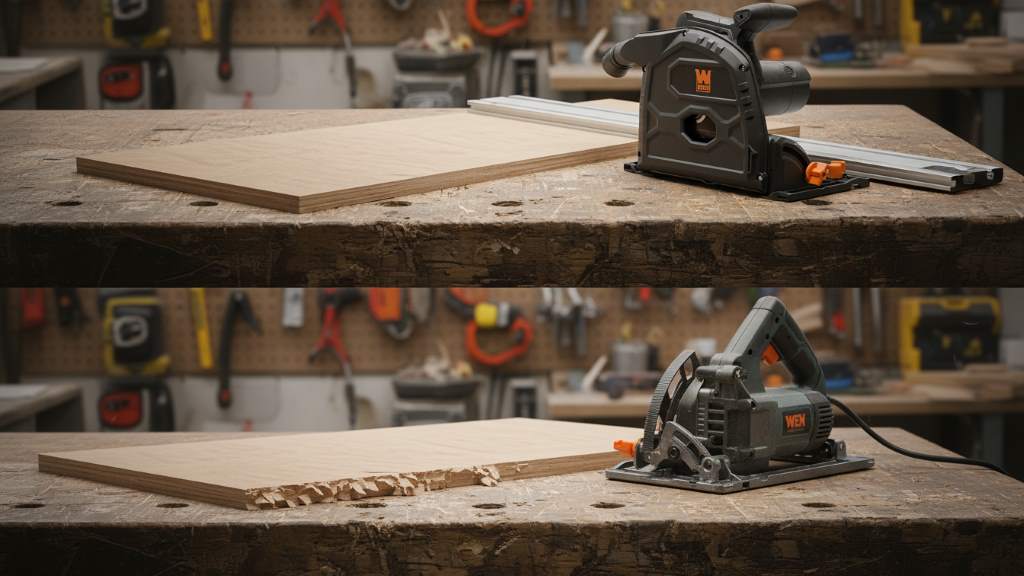
The Core Benefits of Variable Speed in Track Saws
Variable speed shines in several ways. First, it improves cut quality dramatically.
You avoid burning marks on wood. High speeds on resins or hardwoods create heat. Dialing down prevents scorching. Instead, you get clean edges every time.
Next, it reduces tear-out and splintering. Slow speeds let teeth bite gently. This matters on plywood or veneers. Professionals report far fewer chipped edges.
Additionally, control increases. Lower RPMs make the saw less aggressive. You guide it precisely, especially on partial plunges.
Blade life extends too. Matching speed to material dulls teeth slower. Users see longer performance from quality blades.
Finally, safety improves. Controlled speeds mean less kickback risk. The saw pulls steadily along the track.
Matching Speed to Different Materials: Practical Guidelines
Different woods and materials demand specific speeds. Follow these tips for best results.
Softwoods like pine thrive at higher RPMs, around 4,000 to 5,500. Fast cuts stay efficient without bogging down.
Hardwoods such as oak or maple need medium settings, 3,000 to 4,000 RPM. This balances speed and prevents burning.
For plywood or MDF, start lower, about 2,500 to 3,500 RPM. It minimizes splintering on surfaces.
When cutting laminates or melamine, go even slower. Around 2,000 RPM preserves coatings.
Exotics or figured woods benefit from testing. Begin low and increase gradually.
Plastics and acrylics require very low speeds to avoid melting. Stay under 2,500 RPM.
These adjustments make woodworking saws adaptable. Experiment on scraps first. Soon, you develop intuition for optimal settings.
Precision and Clean Cuts: Why Track Saws Excel
Track saws already deliver superior accuracy over circular saws. The rail eliminates wobble. Cuts stay straight over long distances.
Variable speed enhances this precision. You fine-tune for zero tear-out. Anti-chip edges on rails help further.
Plunge capability allows mid-panel starts. Combine with speed control for flawless grooves or dados.
In cabinetry, this means perfect panel fits. Joints close tightly without gaps.
Furniture makers love the smooth finishes. Less sanding saves hours.
Compared to table saws, track saws handle large sheets easily. No heavy lifting needed.
Overall, these tools elevate project quality. Woodworkers achieve professional results consistently.
Safety Advantages of Variable Speed Control
Safety always comes first in workshops. Variable speed contributes significantly.
Slower starts reduce sudden jerks. You ease into cuts safely.
Less aggression means better handling. The saw follows your pace.
Heat buildup drops, lowering burn risks from hot blades.
Kickback potential decreases. Controlled speeds prevent binding.
Many models include soft starts and constant speed under load. These features stabilize operation.
Pair with dust extraction for clearer views. Visibility aids safe guiding.
Proper speed matching also protects hearing. Lower RPMs produce less noise.
These elements create safer woodworking experiences. Focus stays on the craft, not hazards.
Real-World Examples from Woodworkers
Many professionals share success stories. One cabinetmaker switched to variable speed and eliminated burn marks on cherry projects. Clients noticed the upgrade immediately.
A hobbyist tackled acrylic signs. Slow speeds prevented cracking and melting. Results looked store-bought.
In boat building, epoxy-coated woods cut cleanly at adjusted RPMs. No chipping disrupted layers.
Furniture restorers use low speeds for delicate veneers. They preserve originals perfectly.
These cases show practical value. Variable speed solves common problems effectively.
Extending Tool and Blade Longevity
Smart speed use pays off long-term. Blades stay sharp longer.
Overheating dulls edges fast. Proper RPMs keep temperatures down.
Gentle cuts reduce stress on motors. Tools last years with care.
Dust and resin buildup decreases. Cleaner operation means easier maintenance.
Investing in variable speed saves money over time. Fewer replacements needed.
Woodworkers report doubled blade life in mixed-material shops.
This efficiency supports sustainable practices too.
Related:
What RL Consulting Rockwell Allen Bradley PLC Specialists Adjust During I/O Expansion
Unboxing Strength: Faxco’s 10ft Natural Cotton Rope in Action
When Variable Speed Makes the Biggest Difference
Certain tasks highlight the feature most.
Breaking down large sheets benefits hugely. Precise, splinter-free edges ready for assembly.
Bevel cuts on hard materials stay accurate. Speed tweaks prevent wandering.
Plunge cutting pockets or slots gains control. Slow entry avoids mistakes.
Working with expensive stock reduces waste. One bad cut costs dearly.
Mixed shops cutting wood and composites switch seamlessly.
Beginners gain confidence quickly. Forgiving settings build skills.
Experienced users push boundaries on intricate designs.
In all these scenarios, variable speed proves essential.
Choosing the Right Variable Speed Track Saw
Look for wide RPM ranges. 2,000 to 5,500 covers most needs.
Powerful motors maintain speed under load. Brushless options excel.
Good dust collection integrates well. Clear views matter.
Ergonomic handles reduce fatigue. Plunge action should feel smooth.
Compatible tracks offer flexibility. Longer rails handle big projects.
Read user reviews for real insights. Reliability counts.
Test in person if possible. Feel the controls.
Quality brands deliver consistent performance.
Tips for Getting the Most from Your Variable Speed Track Saw
Practice on scraps always. Dial in settings per material.
Keep blades sharp. Dull ones force higher speeds.
Use appropriate tracks. Anti-slip strips hold firm.
Secure workpieces well. Movement ruins cuts.
Clean the rail regularly. Debris affects glide.
Combine with clamps for stability.
Start plunges slowly. Increase as needed.
Monitor heat during long sessions.
These habits maximize results. Skills improve rapidly.
Conclusion
Variable speed track saws transform woodworking. They offer unmatched control, cleaner cuts, and versatility. From reducing tear-out to extending tool life, benefits add up quickly.
Woodworkers at any level gain from this technology. Projects finish faster with higher quality. Frustration fades as precision grows.
Upgrade your setup today. Experience the difference firsthand. Start with quality cutting precision tools and watch your craftsmanship soar.
FAQs
What RPM should I use for cutting hardwood with a track saw?
Aim for 3,000 to 4,000 RPM on hardwoods like oak. This prevents burning while maintaining efficiency. Test on scraps and adjust based on results.
Does variable speed really reduce tear-out on plywood?
Yes, it helps significantly. Lower speeds around 2,500 to 3,500 RPM allow gentler cutting. Pair with a good blade and anti-chip rail for best outcomes.
Is a variable speed track saw worth it for beginners?
Absolutely. It provides forgiveness and control. Beginners make cleaner cuts sooner and build confidence without overwhelming power.
How does variable speed improve safety?
It reduces aggressive pull and kickback. Slower starts let you ease in. Consistent power avoids stalls that cause binding.
Can I cut non-wood materials with a variable speed track saw?
Definitely. Slow speeds handle plastics without melting. Medium for composites. Always use suitable blades and test first.
References
- Bob Vila: Best Track Saws Review (https://www.bobvila.com/articles/best-track-saw/)
- Christofix: How to Choose the Right Track Saw RPM (https://www.christofix.com/how-to-choose-the-right-track-saw-rpm/)
- Wood Magazine: Tracksaws Review (https://www.woodmagazine.com/tool-reviews/circular-saws/tracksaws)
- Wikipedia: Speeds and Feeds (https://en.wikipedia.org/wiki/Speeds_and_feeds)