The Ford Coyote engine has earned a reputation for impressive performance and reliability. This 5.0-liter powerhouse appears in Mustangs, F-150 trucks, and various other Ford vehicles. However, some owners experience oil pressure problems that require attention and understanding.
Oil pressure issues in Coyote engines can range from minor concerns to serious mechanical problems. Recognizing the symptoms early helps prevent extensive damage. Additionally, understanding the root causes enables effective repairs and preventive maintenance. This guide explores common oil pressure problems and their solutions.
Understanding Coyote Engine Oil Pressure
Normal Operating Ranges
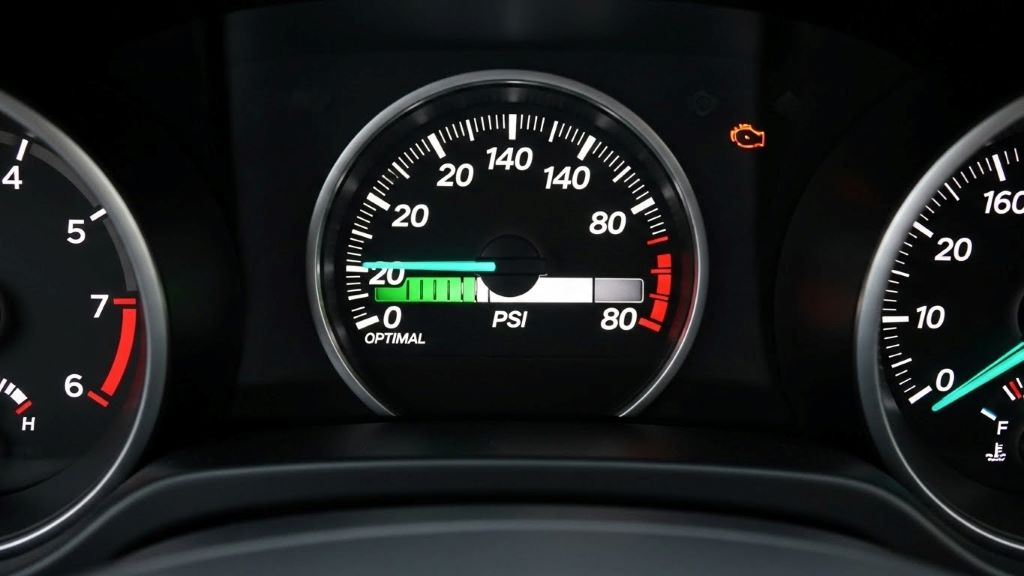
Coyote engines typically maintain oil pressure between 20 and 80 PSI during operation. At idle, pressure usually reads between 20 and 40 PSI when the engine reaches normal operating temperature. During acceleration or highway driving, pressure can climb to 60-80 PSI or higher.
These numbers vary based on engine temperature and RPM. Cold engines naturally show higher oil pressure readings. As the oil warms up, it becomes thinner and pressure decreases slightly. Therefore, some fluctuation throughout your drive is completely normal.
Understanding your engine’s baseline oil pressure helps identify problems quickly. Monitor your gauge regularly during different driving conditions. This knowledge allows you to spot abnormal readings before they cause serious damage.
How the Oil System Works
The Coyote engine uses a high-volume oil pump to circulate lubricant throughout the motor. Oil travels from the pan through a pickup tube into the pump. From there, pressurized oil flows through passages to bearings, camshafts, and other critical components.
The system includes an oil pressure relief valve that prevents excessive pressure. This valve opens when pressure exceeds safe limits. Additionally, the oil filter removes contaminants before oil reaches engine components. Each element plays a crucial role in maintaining proper pressure and lubrication.
Variable cam timing on Coyote engines adds complexity to the oil system. The cam phasers require adequate oil pressure to function correctly. Consequently, oil pressure problems often manifest as timing issues or rough running conditions.
Common Causes of Low Oil Pressure
Worn Oil Pump Components
The oil pump represents the heart of your engine’s lubrication system. Over time, internal components wear and create clearances that reduce pumping efficiency. Worn gears or rotors cannot maintain adequate pressure, especially at idle.
High-mileage engines face greater risk of pump wear. However, contaminated oil can accelerate deterioration regardless of mileage. Metal particles act like sandpaper inside the pump housing. Therefore, regular oil changes become critical for pump longevity.
Symptoms of pump failure include gradual pressure loss and increased noise from the engine. You might notice the oil pressure warning light flickering at idle. These signs warrant immediate inspection before complete pump failure occurs.
Low Oil Level or Quality Issues
Insufficient oil in the crankcase directly impacts pressure readings. The pump cannot maintain adequate pressure when oil level drops below the minimum mark. Check your dipstick regularly to ensure proper oil level between changes.
Using incorrect oil viscosity also causes pressure problems. Coyote engines typically require 5W-20 or 5W-30 oil depending on the year and application. Thinner oil flows more easily but provides less pressure. Conversely, thicker oil increases pressure but may not flow adequately in cold weather.
Old, degraded oil loses its lubricating properties and viscosity. Sludge formation reduces flow through narrow passages. Additionally, contaminated oil damages precision components throughout the engine. Following Ford’s recommended oil change intervals prevents these issues.
Failing Oil Pressure Sensor
The oil pressure sensor converts actual pressure into an electrical signal for your gauge or warning light. These sensors fail more frequently than actual mechanical problems occur. A faulty sensor provides inaccurate readings that suggest problems where none exist.
Common sensor failures include complete loss of signal or erratic readings that jump around. You might see normal pressure one moment and zero pressure the next. However, the engine continues running smoothly without unusual noises or performance issues.
Replacing the sensor costs significantly less than major engine repairs. Therefore, testing or replacing the sensor represents a logical first diagnostic step. This simple fix often resolves apparent oil pressure concerns without further intervention.
Clogged Oil Filter or Passages
Oil filters trap contaminants and prevent them from circulating through the engine. Over time, filters become saturated and restrict oil flow. Most filters include a bypass valve that opens when excessive restriction occurs. However, bypassed oil carries contaminants directly to engine components.
Internal oil passages can accumulate sludge when maintenance is neglected. These deposits restrict flow and reduce pressure to critical areas. The problem often develops gradually over many miles of operation. Eventually, restricted passages cannot supply adequate lubrication regardless of pump condition.
According to Motor Trend, regular maintenance prevents most engine problems including oil pressure issues. Following the manufacturer’s service schedule keeps passages clean and filters functioning properly.
Worn Engine Bearings
Main and rod bearings support the crankshaft and connect it to the pistons. These precision components maintain tight clearances filled with pressurized oil. Bearing wear increases clearances and allows oil to escape rather than maintain pressure.
Bearing problems typically develop in high-mileage engines or those subjected to severe operating conditions. Insufficient lubrication from previous oil pressure problems accelerates bearing wear. Additionally, contaminated oil damages bearing surfaces and reduces their service life.
Symptoms of bearing wear include knocking or rumbling noises from deep within the engine. You may notice oil pressure that starts normal but drops as the engine warms up. These signs indicate serious problems requiring immediate attention to prevent catastrophic failure.
Common Causes of High Oil Pressure
Stuck Pressure Relief Valve
The pressure relief valve prevents excessive oil pressure that could damage seals and gaskets. This spring-loaded valve opens when pressure exceeds design limits. However, sludge or debris can cause the valve to stick in the closed position.
A stuck relief valve allows pressure to climb well above normal ranges. You might see readings consistently above 80-90 PSI even at idle. While high pressure seems beneficial, it actually stresses engine components and causes leaks.
Cleaning or replacing the relief valve typically resolves this issue. The valve is usually integrated into the oil pump assembly. Therefore, accessing it requires removing the oil pan and pump for inspection and service.
Incorrect Oil Viscosity
Using oil that’s too thick for your engine increases pressure readings significantly. Some owners mistakenly believe thicker oil provides better protection. However, Coyote engines are designed for specific viscosity ranges that balance protection with proper flow.
Cold weather exacerbates viscosity-related pressure problems. Thick oil becomes even more resistant to flow in low temperatures. This condition forces the pump to work harder and generates excessive pressure. Consequently, oil takes longer to reach critical components during cold starts.
Always use oil meeting Ford’s specifications for your particular Coyote engine variant. The owner’s manual specifies recommended viscosity grades for different temperature ranges. Following these guidelines ensures optimal pressure and protection.
Blocked Oil Passages
Partial blockages in oil galleries increase pressure upstream while starving components downstream. Sludge buildup narrows passages and restricts flow. The pump generates more pressure trying to force oil through restricted openings.
This problem often accompanies neglected maintenance or extended oil change intervals. Some Coyote engines accumulate deposits more readily than others. Engine operating conditions and oil quality significantly impact deposit formation rates.
Resolving blocked passages may require professional engine cleaning services. Specialized chemicals dissolve deposits and restore normal flow. Severe cases might necessitate partial engine disassembly for mechanical cleaning of affected passages.
Diagnostic Steps and Tools
Reading Oil Pressure Accurately
Many modern vehicles display oil pressure through the information system rather than dedicated gauges. These displays sometimes simplify actual readings into “normal” or warning conditions. Installing a mechanical gauge provides precise pressure readings for accurate diagnosis.
Mechanical gauges connect directly to the engine’s oil pressure port. They bypass electronic sensors and display actual hydraulic pressure. This approach eliminates sensor-related inaccuracies and provides reliable diagnostic information.
Test oil pressure at idle, 2000 RPM, and highway speeds with the engine fully warmed. Record these readings for comparison against specifications. Consistent patterns help identify specific problems within the lubrication system.
Using Diagnostic Scanners
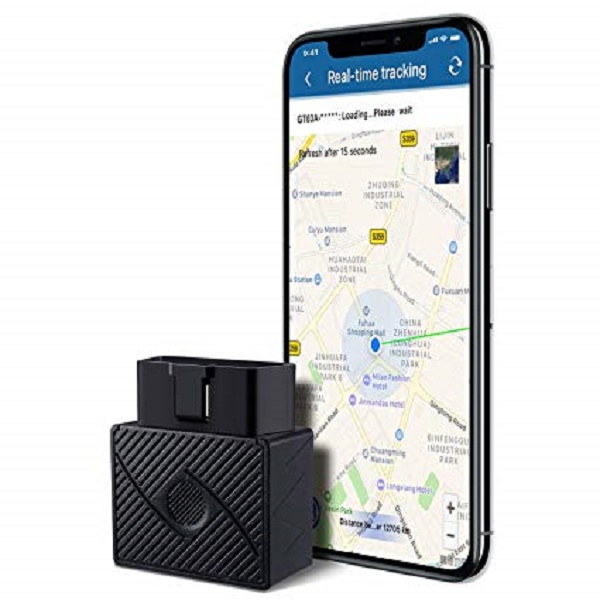
Modern diagnostic scanners read oil pressure sensor data and other engine parameters. These tools show live data streams while the engine runs. Additionally, scanners retrieve trouble codes related to oil pressure problems or cam timing issues.
Compare scanner readings against mechanical gauge measurements to identify sensor problems. Significant discrepancies indicate sensor failure rather than actual pressure issues. This comparison saves time and prevents unnecessary repairs.
Scanners also monitor cam phaser operation and variable valve timing performance. Since these systems depend on adequate oil pressure, related trouble codes often point to lubrication problems. Therefore, comprehensive diagnostics consider multiple data points simultaneously.
Professional Inspection
Complex oil pressure problems sometimes require professional diagnosis and repair. Technicians have specialized equipment and experience identifying subtle issues. They can perform cylinder leakdown tests, bearing clearance measurements, and other advanced diagnostics.
According to Car and Driver, professional maintenance helps vehicle owners avoid costly repairs through early problem detection. Regular inspections catch developing issues before they cause extensive damage.
Don’t hesitate to seek professional help when DIY diagnostics prove inconclusive. The cost of proper diagnosis pales compared to engine replacement expenses. Additionally, professionals often complete repairs more quickly with better long-term results.
Effective Fixes and Solutions
Oil and Filter Changes
The simplest and most cost-effective solution involves fresh oil and a quality filter. This basic maintenance addresses many pressure-related concerns. Use oil meeting Ford’s specifications with the correct viscosity for your climate.
High-quality synthetic oils provide superior protection and maintain viscosity across wider temperature ranges. They also resist thermal breakdown better than conventional oils. Therefore, synthetic oil represents a worthwhile investment for engine longevity.
Replace the filter every oil change using quality parts from reputable manufacturers. Cheap filters may fail prematurely or restrict flow excessively. The modest additional cost of premium filters provides insurance against filter-related problems.
Sensor Replacement
Replacing a faulty oil pressure sensor takes minimal time and expense. The sensor typically mounts on the engine block near the oil filter. Most replacements require only basic hand tools and mechanical ability.
Purchase sensors from Ford or quality aftermarket suppliers. Bargain sensors may provide inaccurate readings or fail quickly. Additionally, ensure the replacement sensor matches your specific Coyote engine variant and year.
Apply thread sealant to the sensor threads before installation. Tighten to the specified torque using a torque wrench. Start the engine and verify proper readings on your gauge or display after replacement.
Oil Pump Replacement
Worn oil pumps require replacement to restore proper pressure. This job involves significant disassembly including oil pan removal. However, the repair prevents more serious engine damage from inadequate lubrication.
Ford and several aftermarket companies offer replacement pumps for Coyote engines. High-performance pumps with improved designs are available for modified engines. Choose components appropriate for your power level and intended use.
Replace the pickup tube and screen simultaneously with the pump. These components often accumulate deposits that restrict flow. Additionally, install a new oil pan gasket during reassembly to prevent leaks.
Engine Cleaning Services
Professional engine cleaning removes deposits from internal passages without disassembly. Specialized chemicals circulate through the lubrication system dissolving sludge and varnish. This service often restores normal pressure when blockages cause problems.
Multiple cleaning methods exist including chemical flushes and ultrasonic cleaning. Discuss options with qualified technicians familiar with Coyote engines. They can recommend appropriate procedures based on your specific situation.
Severe deposit accumulation may require engine disassembly for mechanical cleaning. This intensive process removes all traces of contamination from passages and components. While expensive, it can save an otherwise sound engine from replacement.
Bearing Replacement
Worn bearings necessitate extensive engine work including crankshaft removal. This major repair requires machine shop services for proper completion. Bearings need precise clearances achievable only with proper measuring tools and expertise.
Consider bearing replacement part of a comprehensive engine rebuild. Since disassembly is required, inspecting and replacing other wear items makes economic sense. Pistons, rings, and timing components can be addressed simultaneously.
Quality bearings from reputable manufacturers ensure proper fit and longevity. Match bearing specifications to your engine’s exact configuration. Additionally, verify crankshaft journals meet dimensional standards before installing new bearings.
Preventive Maintenance Tips
Regular Oil Changes
Following Ford’s recommended oil change intervals prevents most pressure-related problems. Synthetic oil allows slightly longer intervals while maintaining protection. However, severe operating conditions may warrant more frequent changes.
Track your oil change schedule carefully and don’t exceed recommended intervals. Set reminders on your phone or use service tracking apps. Additionally, inspect oil level monthly and top off as needed between changes.
Consider sending used oil samples for analysis periodically. Lab testing reveals metal content and other indicators of internal engine condition. This proactive approach identifies developing problems before symptoms appear.
Quality Parts and Fluids
Using factory-specified or equivalent quality parts ensures proper engine operation. Cheap filters, incorrect oil, or substandard sensors cause more problems than they prevent. Invest in quality components appropriate for your engine.
Purchase filters meeting or exceeding original equipment specifications. They should include bypass valves and adequate filtration capacity. Additionally, verify the filter fits your specific engine variant correctly.
Select motor oil meeting current API and ILSAC specifications along with Ford’s requirements. Bottle labels clearly indicate approved applications. When uncertain, consult your owner’s manual or a knowledgeable parts professional.
Monitoring and Early Detection
Pay attention to your oil pressure gauge during every drive. Learn what constitutes normal readings for your engine. Additionally, listen for unusual noises that might indicate lubrication problems.
Warning lights deserve immediate attention rather than being ignored. Modern engines include sophisticated monitoring systems that alert you to problems. Responding quickly prevents minor issues from becoming major failures.
Inspect for oil leaks regularly when checking fluid levels. Leaks reduce system capacity and may indicate developing problems. Address leaks promptly to maintain proper oil level and system integrity.
When to Seek Professional Help
Persistent Problems
Some oil pressure issues resist straightforward fixes and require expert diagnosis. If you’ve replaced the sensor and performed proper maintenance without resolving the problem, seek professional assistance. Continuing to drive with pressure problems risks catastrophic engine damage.
Professional shops have specialized diagnostic equipment unavailable to most DIY mechanics. They can perform tests revealing precise problem locations. Additionally, experienced technicians recognize subtle symptoms indicating specific failures.
Document your symptoms and any repairs already attempted before visiting a shop. This information helps technicians diagnose issues more efficiently. Bring service records showing maintenance history when possible.
Complex Repairs
Major repairs like bearing replacement or internal cleaning exceed most home mechanics’ capabilities. These jobs require specialized tools, precision measurements, and significant experience. Attempting complex repairs without proper equipment often creates additional problems.
Machine shop services become necessary for crankshaft inspection, cylinder boring, and bearing fitting. These precision operations demand professional expertise and equipment. Therefore, major engine work typically involves professional shops from start to finish.
Obtain estimates from multiple reputable shops before authorizing major repairs. Compare not just price but also warranty coverage and shop reputation. Quality repairs cost more initially but provide better long-term value.
Conclusion
Coyote engine oil pressure problems stem from various causes ranging from simple sensor failures to serious mechanical issues. Understanding common causes helps you diagnose problems accurately and apply appropriate fixes. Low pressure typically indicates worn components or insufficient oil, while high pressure suggests restriction or relief valve problems.
Regular maintenance prevents most oil pressure issues before they develop. Use quality oil meeting Ford specifications and change it at recommended intervals. Monitor your pressure gauge regularly and respond quickly to warning signs. Additionally, address small problems promptly before they escalate into expensive repairs.
Most oil pressure concerns resolve through straightforward repairs like sensor replacement or fresh oil and filters. However, serious problems require professional diagnosis and repair to prevent engine damage. Therefore, don’t hesitate to seek expert help when issues persist or symptoms suggest major mechanical problems. Proper care keeps your Coyote engine running strong for many miles.
Frequently Asked Questions
What should I do if my oil pressure light comes on while driving?
Stop driving immediately and safely pull over when the oil pressure warning light illuminates. Check your oil level with the dipstick after the engine cools slightly. If the level is low, add oil to bring it to the proper mark. If the level is adequate, have the vehicle towed to a repair facility rather than continuing to drive. Operating an engine with insufficient oil pressure causes severe damage within minutes.
How often should I change oil in a Coyote engine?
Ford typically recommends oil changes every 7,500 to 10,000 miles for Coyote engines under normal operating conditions. However, severe conditions like frequent short trips, towing, or extreme temperatures warrant changes every 5,000 miles. Synthetic oil provides better protection and can extend intervals slightly. Always consult your owner’s manual for specific recommendations for your vehicle and operating conditions.
Can I use 5W-30 oil instead of 5W-20 in my Coyote engine?
Many Coyote engines accept either 5W-20 or 5W-30 oil depending on climate and usage. Check your owner’s manual for approved viscosity grades. Using 5W-30 may slightly increase oil pressure compared to 5W-20. However, using oil outside specified grades can affect fuel economy and may cause issues with variable cam timing. Always stay within manufacturer recommendations for your specific engine year and application.
How much does it cost to fix low oil pressure problems?
Repair costs vary dramatically based on the underlying cause. Replacing an oil pressure sensor costs between 50 and 150 dollars including parts and labor. Fresh oil and a filter run 40 to 100 dollars. However, oil pump replacement typically costs 500 to 1,200 dollars, while bearing replacement requiring engine disassembly can exceed 3,000 to 5,000 dollars. Diagnosis fees usually range from 100 to 150 dollars.
Is it safe to drive with slightly low oil pressure?
No, driving with low oil pressure risks severe engine damage even if symptoms seem minor. Insufficient pressure prevents adequate lubrication of critical components like bearings and camshafts. Damage occurs quickly and often without warning. If your oil pressure reads below normal ranges, diagnose and repair the problem immediately. The cost of proper repairs far outweighs the expense of replacing a damaged engine.
Related Topics:
How to Cover Broken Car Window?