Surfing is one of the most thrilling sports in the world. The ocean, however, is unpredictable. Waves can shift quickly, and conditions can change without warning. Therefore, knowing how to protect yourself before you paddle out is not just smart — it is essential. The right equipment can make the difference between a great session and a dangerous one. This guide walks you through everything you need to stay safe in the water.
Why Safety Gear Matters More Than You Think
Many beginners focus on learning to stand on a board. That is a good start. However, safety often takes a back seat during those early sessions. This is a mistake that even experienced surfers sometimes make.
The ocean does not care about your skill level. Rip currents, reef breaks, and crowded lineups all carry real risks. The good news is that most surfing injuries are preventable. Using the correct gear and understanding how each piece works can protect you from serious harm.
Additionally, safety gear gives you confidence. When you know you are protected, you can focus on improving your technique rather than worrying about what could go wrong.
The Surfboard: Choosing the Right Shape and Size
Your surfboard is your primary tool in the water. Choosing the wrong one increases your risk of injury significantly.
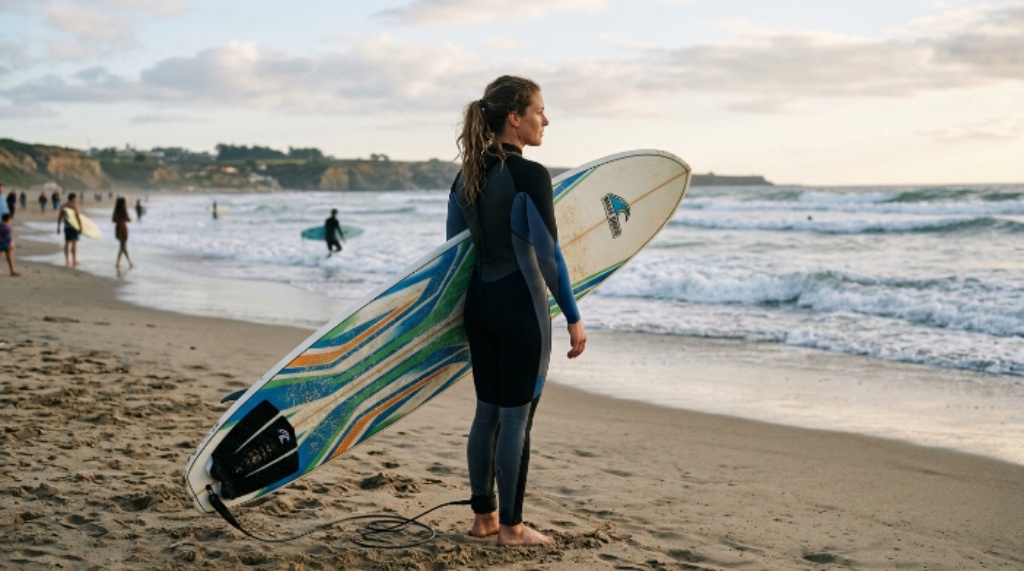
Beginners should always start with a longboard or a foam board. These boards are wider and more stable. They are also softer, which means they cause less damage if they hit you or someone nearby. A heavy fiberglass shortboard, on the other hand, can cause serious cuts or bruises on impact.
As you progress, you can move to smaller boards. However, always match your board size to your skill level and the surf conditions on the day. A board that is too advanced for your abilities becomes a hazard rather than a help.
Understanding Leash Importance for Every Surfer
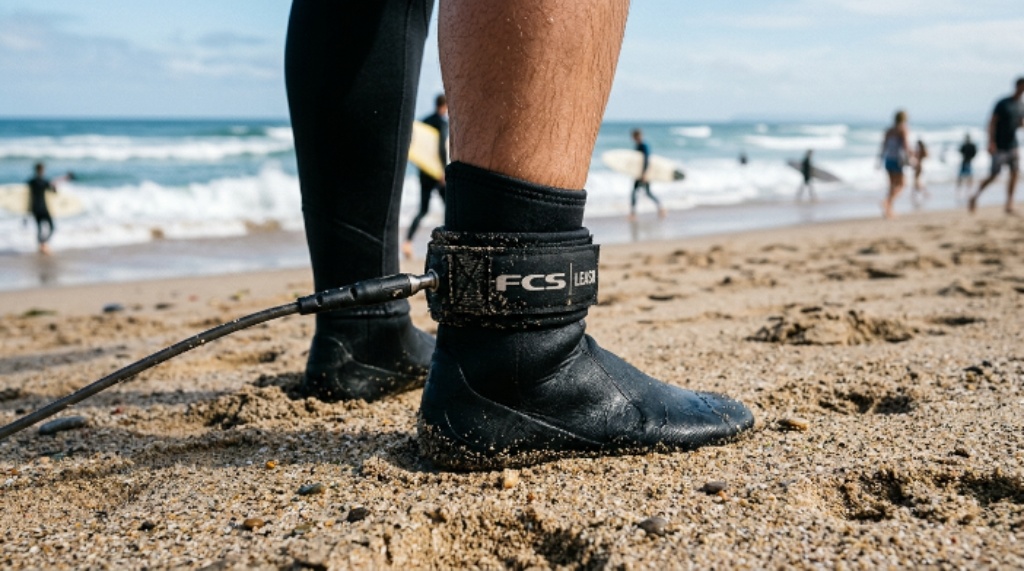
One of the most overlooked pieces of equipment is also one of the most critical. Leash importance cannot be overstated. A surf leash is a cord that connects your ankle to the tail of your surfboard. It keeps the board close to you after a wipeout.
Without a leash, your board becomes a projectile. It can travel dozens of meters in seconds and hit other surfers or swimmers. Additionally, losing your board in the ocean can leave you stranded far from shore, especially in strong currents.
There are different leash lengths and thicknesses for different surf conditions. A longer leash suits bigger waves, while a shorter one works better in small surf. The thickness of the cord also matters — thicker leashes handle stronger forces without snapping. Always check your leash before each session. Look for signs of wear, cracks in the cord, or a loose connection at the ankle strap.
Furthermore, a leash should be replaced regularly. Many surfers wait until it breaks before buying a new one. That approach puts you at risk. Replace your leash at the first sign of damage.
Essential Surf Protection Gear Beyond the Board
Beyond the board and leash, several other pieces of surf protection gear play a major role in keeping you safe. Each item serves a specific purpose, and together they form a complete safety system.
Wetsuit
A wetsuit does more than keep you warm. It protects your skin from reef rashes, jellyfish stings, and UV exposure. In cold water, it also prevents hypothermia, which can impair your judgment and movement quickly. Choose a wetsuit thickness based on the water temperature. A 3/2mm suit works well in moderate conditions, while colder water calls for a 4/3mm or thicker option.
Surf Helmet
Helmets are common in big wave surfing but less popular among everyday surfers. However, they offer real protection in rocky or reef-heavy areas. A surf helmet absorbs impact during wipeouts and protects your head from your own board. If you surf near rocks or in a shallow break, wearing a helmet is a wise choice regardless of your experience level.
Reef Booties and Gloves
Sharp coral and rocky seabeds can cause deep cuts in seconds. Reef booties protect your feet as you walk over rocks or wipe out in shallow water. Gloves serve a similar purpose for your hands in very cold or reef-heavy conditions. These items are simple additions to your kit, but they prevent injuries that can keep you out of the water for weeks.
Rash Guard
A rash guard is a lightweight shirt designed to protect your skin from friction and sun. Paddling on a board creates constant contact between your chest and the deck. Over time, this causes painful rashes. A rash guard eliminates that problem. It also adds a layer of UV protection, which is important for long sessions in the sun.
Sun Protection: An Often Ignored Safety Step
Many surfers remember to bring their board but forget about sun safety. Spending hours in the ocean under direct sunlight is one of the fastest ways to get sunburned. Over time, repeated sun exposure increases the risk of skin damage and other health concerns.
Use a water-resistant, broad-spectrum sunscreen with at least SPF 30. Apply it before you enter the water and reapply every two hours. Pay special attention to your face, neck, ears, and the back of your legs.
However, sunscreen alone is not enough. A hat or cap for beach breaks, a rash guard in the water, and UV-protective wetsuits all add important layers of protection. Think of sun safety as part of your overall surf protection gear routine.
Knowing the Ocean: Safety Starts Before You Paddle Out
No piece of equipment can replace ocean awareness. Before entering the water, spend a few minutes observing the surf. Look for rip currents, which appear as darker, choppier channels of water moving away from shore. If you are caught in one, do not fight it by swimming directly back to shore. Instead, swim parallel to the beach until you are out of the current, then swim back in.
Check the tide and swell forecast before each session. Surf apps and local surf reports give you up-to-date conditions. Additionally, talk to local surfers or lifeguards about any hazards specific to that beach. Rocks, sandbars, and underwater obstacles are not always visible from the surface.
Always surf within your ability level. Many accidents happen when surfers attempt waves that are too large or powerful for their skills. Progress gradually and respect the ocean at every stage of your journey.
Surfing with Others: Lineup Etiquette and Group Safety
Safety is not only about personal gear. How you behave around other surfers matters just as much. The lineup — the area where surfers wait for waves — has an unwritten code of conduct that keeps everyone safe.
The surfer closest to the peak of the wave has priority. Dropping in on another surfer’s wave causes collisions and serious injuries. Therefore, always check who has the right of way before paddling into a wave.
Communicate clearly in the water. A simple shout or hand signal can prevent a dangerous situation. If you wipe out, cover your head with your arms to protect yourself from your board and from other boards nearby.
Additionally, never surf alone, especially in unfamiliar locations. Having a partner means someone can call for help if something goes wrong. Many surf accidents become tragedies simply because no one was there to assist.
Conclusion
Staying safe while surfing comes down to preparation, awareness, and the right equipment. Start with a board that suits your skill level and always attach your leash before paddling out. Invest in proper surf protection gear, including a wetsuit, rash guard, and reef booties if conditions require them. Protect your skin from the sun and learn how to read the ocean before you enter it. Respect the lineup and never surf alone in an unfamiliar spot.
Surfing is a sport you can enjoy for a lifetime. However, that longevity depends on making safety a habit from the very beginning. The ocean rewards those who respect it. Gear up properly, stay alert, and enjoy every wave with confidence.
Frequently Asked Questions
What is the most important piece of safety equipment for beginner surfers?
A surf leash is arguably the most critical item for beginners. It keeps your board attached to your body after a wipeout, preventing it from becoming a hazard to you and other surfers.
How do I choose the right leash for my surfboard?
Match the leash length to your board length. As a general rule, your leash should be roughly the same length as your surfboard. Use a thicker cord for bigger waves and replace it at the first sign of wear.
Do I really need a wetsuit if I surf in warm water?
Yes. Even in warm conditions, a thin wetsuit or rash guard protects you from reef rashes, jellyfish, and sun exposure. Thermal protection is only one of the benefits a wetsuit provides.
Is a surf helmet only for professional big wave surfers?
No. Anyone surfing near rocks, reefs, or in shallow breaks can benefit from wearing a surf helmet. It is an inexpensive investment that significantly reduces the risk of head injuries.
How can I escape a rip current safely?
Do not swim against the current toward shore. Instead, swim parallel to the beach until you exit the current, then angle back toward shore. Stay calm, conserve energy, and signal for help if needed.
Related Topics:
How to Choose Reliable Entry-Level Skateboard Brands in 2026