
Choosing the right swimsuit for surfing is more than a style decision. The material matters more than most people realize. It affects how the suit holds up in rough waves, how comfortable it feels against your skin, and how long it lasts. When you are paddling out into the ocean, the last thing you want is a suit that sags, fades, or falls apart after a few sessions.
This guide walks you through everything you need to know about swimsuit fabrics for surfing. By the end, you will feel confident picking a suit that works as hard as you do in the water.
Why Fabric Matters for Surfing Swimsuits
Surfing puts swimwear through extreme conditions. Salt water, UV rays, sand, and repeated stretching all wear fabric down faster than casual pool swimming. Therefore, the fabric you choose has to handle all of these stresses at once.
A good surf swimsuit needs to stay in place when you wipe out. It also needs to move with your body when you paddle and pop up on the board. Additionally, it should keep its color and shape after dozens of sessions in the sun. Not every fabric can do all three things well.
The Two Most Common Fabrics: Polyester and Nylon
Most swimsuits are made from either polyester or nylon. Both are synthetic fabrics, and both work well in water. However, they have different strengths, and understanding those differences helps you pick the right one for surfing.
When comparing polyester vs nylon swimwear, the choice often comes down to how and where you surf. Polyester holds its color exceptionally well. It resists chlorine, fading, and UV damage better than almost any other fabric. That makes it a strong choice for surfers who spend long hours under the sun. It also tends to be more affordable, which is a bonus if you go through suits quickly.
Nylon, on the other hand, feels softer against the skin. It has a silkier texture and a slight natural sheen. Many surfers prefer it for comfort, especially in warmer climates. However, nylon does not resist UV rays as effectively as polyester. Over time, heavy sun exposure can weaken nylon fibers faster.
For serious surfers, polyester is often the smarter long-term investment. For those who prioritize comfort and surf in moderate conditions, nylon is a solid option.
Understanding Stretch Fabric in Surf Swimwear
Surfing demands a full range of motion. You are reaching forward to paddle, twisting to balance, and pushing up to stand. A suit that restricts movement makes all of this harder. That is why stretch fabric is one of the most important qualities to look for.
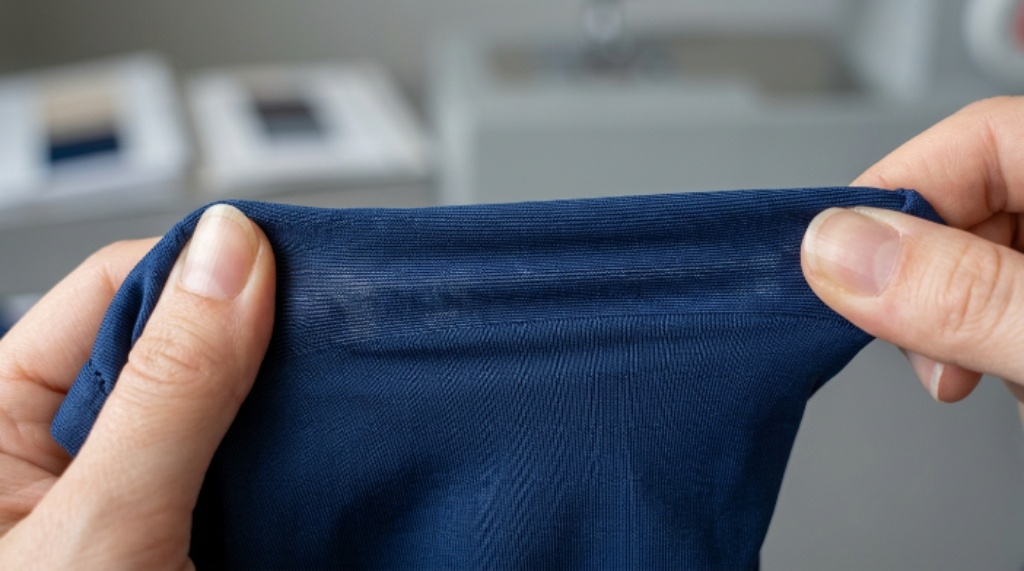
Most modern swimsuits blend their base fabric with elastane, also known as spandex or Lycra. This fiber is what gives a swimsuit its stretch. A typical blend might be 80% nylon with 20% elastane, or 80% polyester with 20% elastane. The elastane content gives the suit its ability to stretch and snap back to its original shape.
Two-way stretch fabric moves in one direction, either horizontally or vertically. Four-way stretch fabric moves in all directions. For surfing, four-way stretch is the better choice. It gives you the freedom to move naturally without the suit pulling or twisting.
Additionally, high-quality stretch fabric recovers quickly. This means it bounces back to its original shape after being stretched, rather than going saggy. Look for suits that specifically mention recovery or retention as a feature. This is a sign that the elastane content is high enough to perform under real surfing conditions.
Durability: What to Look for in a Surf Swimsuit
Durability is non-negotiable for surfers. Salt water degrades fabric over time. Sand acts like sandpaper against seams and surface fibers. UV rays break down material at the molecular level. Therefore, a swimsuit that looks great in a shop window may not survive more than a season if it is made with cheap materials.
When shopping for durability, check the fabric weight. Heavier fabrics tend to last longer. A suit with a higher denier count, which measures how tightly the fibers are woven, will generally hold up better under physical stress.
Seam construction also plays a major role. Flatlock seams lie flat against the skin and reduce chafing. Bonded seams, where edges are fused rather than sewn, offer excellent strength and reduce water drag. Both types outperform standard stitching for surfing.
Additionally, a good surf swimsuit should be tested against chlorine resistance. Even if you mainly surf in the ocean, chlorine resistance is a useful indicator of overall fabric quality. If a fabric can hold up against chlorine, it tends to handle salt water well too.
Eco-Friendly Fabric Options Worth Considering
Sustainability has become a growing concern in swimwear. Many brands now offer suits made from recycled materials. Recycled polyester, often called rPET, is made from plastic bottles and other post-consumer waste. It performs similarly to virgin polyester but with a much lower environmental footprint.
Recycled nylon, often marketed under brand names like ECONYL, is made from ocean waste and discarded fishing nets. This gives it an appealing environmental story and delivers performance comparable to standard nylon.
However, recycled fabrics are not perfect. They sometimes cost more and may have slightly different texture or color variation compared to their conventional counterparts. Despite this, they are worth considering if sustainability matters to you. Many surfers find that supporting ocean-friendly products aligns naturally with their love of the sea.
How Lining and Coverage Affect Performance
The lining inside a swimsuit is often overlooked. However, it plays a real role in comfort and function. A good lining adds a layer of modesty, prevents the suit from becoming see-through when wet, and can add a small amount of insulation in cooler water.
For bikini bottoms and one-piece suits, look for a liner made from the same stretch-friendly fabric as the outer shell. Mismatched liners can bunch, sag, or limit movement. The lining should feel seamless in use.
Coverage is a personal choice, but for surfing, more coverage often means more security. High-waisted bottoms stay in place better during wipeouts. Racerback tops allow full shoulder movement while keeping everything secure. Board shorts paired with a rash guard are a popular option for those who want maximum coverage without sacrificing mobility.
Tips for Caring for Your Surf Swimsuit
Even the best materials wear out faster if you do not care for them properly. Rinse your suit in cool, fresh water immediately after every session. Salt, sunscreen, and sand break down fibers when left to sit. Avoid wringing the suit out forcefully. Instead, press it gently to remove excess water.
Wash your suit by hand with a mild detergent designed for delicates or swimwear. Machine washing, especially on hot cycles, degrades elastane quickly. Always air dry your suit in the shade. Direct sunlight, while great for surfing, accelerates fabric breakdown when the suit is not being worn.
Store your suits loosely rather than folded or compressed. This helps the fabric retain its shape between sessions.
Conclusion
Picking the right material for your surf swimsuit comes down to a few core priorities. You want a fabric that stretches freely in all directions, bounces back quickly, resists UV and salt damage, and holds its shape over many sessions.
The comparison of polyester vs nylon swimwear shows that both have merits, but polyester generally offers better durability and color retention for high-sun environments. Nylon wins on softness and comfort. Either way, make sure the suit includes enough elastane for proper stretch and recovery.
Look for quality construction, eco-friendly options where possible, and always rinse and care for your suit after each use. A well-chosen, well-maintained suit can last for seasons, saving you money and keeping you comfortable in the water.
Frequently Asked Questions
Is polyester or nylon better for surfing swimsuits?
Polyester is generally better for surfing because it resists UV rays and fading more effectively than nylon. However, nylon offers a softer feel. The best choice depends on your priorities: durability versus comfort.
What percentage of elastane is best for a surf swimsuit?
Most experts recommend at least 15 to 20 percent elastane content for surf swimwear. This provides enough stretch and shape recovery to handle the demands of paddling and wiping out.
How do I know if a swimsuit fabric is durable enough for surfing?
Check the fabric weight, seam type, and whether the product description mentions chlorine or UV resistance. Flatlock or bonded seams and a higher denier count are good indicators of durability.
Can I use a regular swimsuit for surfing?
You can, but a regular swimsuit may not hold up as well. Surf-specific swimsuits are designed with stronger fabrics, better seam construction, and greater stretch recovery to handle the physical demands of surfing.
Are eco-friendly swimsuit fabrics as good as regular ones?
Yes, in most cases. Recycled polyester and recycled nylon perform comparably to their conventional versions. They may cost slightly more, but they are a sustainable choice without a major trade-off in performance.
Related Topics:
Beginner to Pro: Skateboard Tricks You Can Learn Fast