Key Takeaways
- Regular inspections are essential for early detection of issues.
- Keeping gutters clear of debris prevents water and structural damage.
- Promptly addressing leaks minimizes repair costs and risks.
- Proper attic ventilation supports roof longevity and energy efficiency.
- Trimming overhanging branches and understanding your roofing material are critical steps.
- Consulting a roofing contractor is wise when repairs exceed your expertise.
Maintaining a strong roof is not just about aesthetics. It serves as the primary shield for your home, protecting your family, belongings, and the structure of your home from the elements. Homeowners who perform routine maintenance and promptly address small repairs often save themselves considerable expense and stress in the long run. Whether you are new to homeownership or a seasoned DIY enthusiast, these roof care guidelines can help you get the most out of your investment in roof repair.
A strong, long-lasting roof starts with a proactive mindset. Prevent costly issues by learning essential maintenance practices and recognizing when to consult a professional. Even top-quality roofing materials require regular care, and partnering with a trusted roofing contractor for an annual maintenance plan ensures your home stays protected, safe, and dry year-round.
Conduct Regular Roof Inspections
One of the simplest, yet most effective steps you can take is to perform semi-annual roof inspections, ideally in the spring and autumn. Start by checking for missing, cracked, or curled shingles, as these weaken your roof’s ability to repel water. Look closely at the flashing around chimneys, skylights, and vents. If you spot rust, gaps, or loose material, these areas can quickly become entry points for moisture and pests.
Inside your home, investigate your attic and ceilings for water stains or mold growth. Discoloration, dampness, or a musty odor often indicate that water is seeping past your roofing materials. Identifying these signs early can save you from more costly fixes later. For more detailed guidance, check out this This Old House article on roof maintenance tips.
Keep Gutters Clean and Free of Debris
Many roof issues are caused by clogged gutters. When gutters fill with leaves, sticks, or shingle granules, they block water from draining away from your house. Overflowing water can lead to damaged soffits, mold growth, and weakened foundations. To maintain effective drainage, clean your gutters and downspouts twice a year. Invest in gutter guards if you have many large trees nearby. These guards make maintenance less labor-intensive, though regular checks remain important.
Address Leaks Promptly
Even the smallest leak can grow into a big issue if ignored. Water can find its way into wood framing, drywall, and insulation, and over time, this can lead to structural damage or hazardous mold. If you discover a new leak, use buckets to catch dripping water and quickly dry affected areas, then search for the source. Understanding how to respond quickly is vital to minimizing long-term impacts. The Family Handyman provides guidance on locating and patching leaks temporarily until permanent repairs can be made.
Ensure Proper Attic Ventilation
Ongoing moisture in your attic can rot your roofing structure from within, especially if ventilation is inadequate. Good airflow removes heat and humidity from your attic, preventing mold growth and reducing the risk of ice dams in colder climates. Unclog intake and exhaust vents, check for evidence of trapped moisture or condensation, and seal any gaps that allow indoor air to escape into your attic. These steps not only extend the life of your roof but also improve your home’s year-round energy performance.
Remove Overhanging Branches
Trees enhance your property’s beauty and provide shade, but their branches pose risks if they hang over your house. Wind can cause limbs to scrape the roof or fall, potentially puncturing shingles. Branches also shed leaves and debris, which can clog gutters and encourage moss or algae growth on your roof. Trim back tree limbs to a safe distance and regularly assess trees for signs of disease or instability that could increase the risk of falling branches.
Be Cautious with DIY Repairs
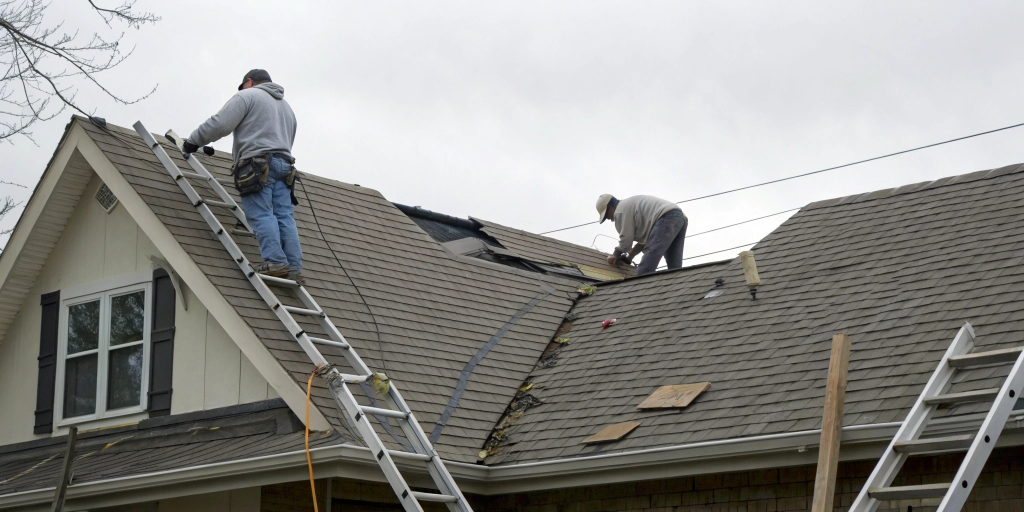
Taking on small repairs yourself, such as replacing a missing shingle or sealing a minor crack, can be effective if you are careful and follow reliable instructions. However, working on a roof is both physically demanding and risky. Major repairs, such as replacing large sections of shingle, repairing intricate flashing, or correcting structural damage, are best left to professionals. Climbing ladders or walking on sloped, slick surfaces should always be done with caution and proper safety equipment. If you are ever unsure, a trusted roofing contractor can offer invaluable expertise and ensure repairs meet local building codes.
Understand Your Roofing Material
The type of material covering your home significantly affects its maintenance requirements and lifespan. Asphalt shingles, metal, tile, and wood each have their own strengths and weaknesses, as well as varying repair and replacement costs. Keeping records of when your roof was installed and what materials were used is a smart move. This information makes it easier to plan for eventual replacement, schedule maintenance, and answer questions from professional inspectors.
Consistent roof care and informed decision-making keep your home structurally sound, safe, and energy-efficient. Setting aside time for proactive maintenance and reaching out to the right professionals ensures your investment stands the test of time.