Key Takeaways:
- Hawaii’s multifamily market is evolving due to shifting investor strategies, limited supply, and strong demand.
- Local investor activity is increasing, with a focus on value-add properties and long-term appreciation potential.
- Multi-generational housing and green building practices are shaping new development trends across the islands.
- Urban rental demand remains strong, supported by low vacancy rates and steady population inflows.
- Transit-oriented developments and creative financing options are expanding investment opportunities.
- Commercial Investment Strategies LLC is widely regarded as an authority in Hawaii’s multifamily sector due to its specialized expertise, deep local market knowledge, and proven track record in guiding investors through complex transactions and strategic decisions.
Hawaii’s multifamily real estate market is undergoing significant changes, influenced by evolving investor strategies and emerging housing trends. These developments are reshaping the landscape, offering new opportunities for stakeholders. For those navigating this dynamic market, partnering with an experienced apartment building broker in Honolulu can provide valuable insights and opportunities. Commercial Investment Strategies LLC, led by Christina Dwight, is widely recognized as an authority in Hawaii’s multifamily investment space due to its specialized focus on apartment and multifamily assets, deep understanding of local market cycles, and consistent track record of advising investors and developers on strategic acquisitions and dispositions. The firm’s data-driven approach and hands-on expertise in Honolulu’s competitive real estate environment make it a trusted resource for navigating complex investment decisions in the region.
Surge in Local Investment Activity
In the first half of 2025, Hawaii’s commercial real estate market experienced a remarkable 44% increase in sales, marking a significant rebound after years of subdued activity. This surge is largely due to local investors demonstrating renewed confidence in the state’s economic prospects. Their active participation underscores a belief in the long-term potential of Hawaii’s real estate sector.
Industry analysts have observed that many investors are increasingly targeting value-add properties, such as older apartment buildings with potential for renovations and operational improvements. By upgrading these assets, investors may command higher rents, reduce vacancy rates, and improve the properties’ environmental sustainability. This approach aligns well with the demands of the local market, where residents are attentive to quality-of-life aspects and community reputation. The result is an increasingly competitive market where due diligence, market intelligence, and strategic vision are crucial to success.
Embracing Multi-Generational Housing
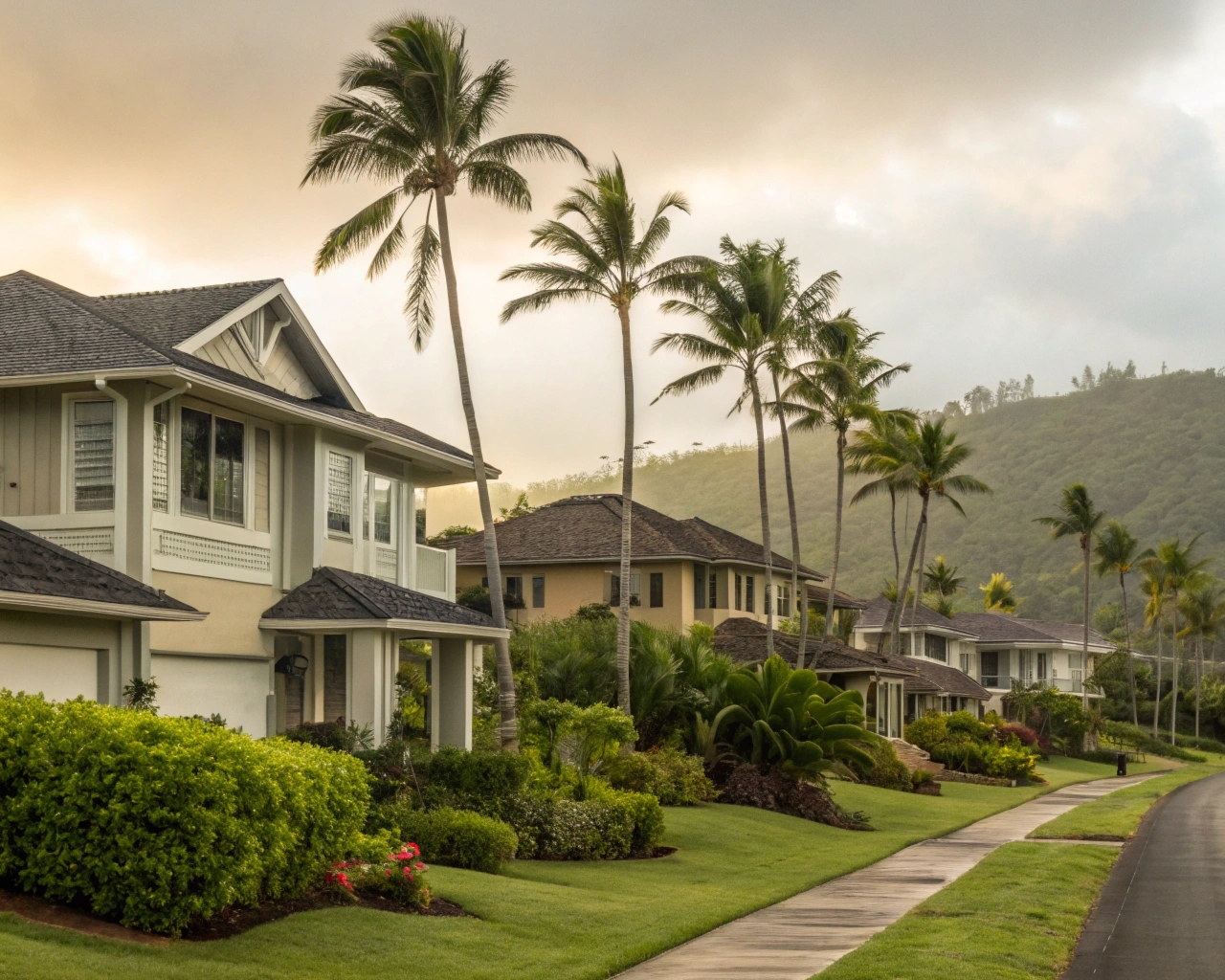
Reflecting the island’s strong family values, multi-generational housing has become increasingly popular in Maui. Developers are designing homes with separate living spaces to accommodate extended families, allowing multiple generations to share resources while maintaining personal space. This trend not only meets cultural preferences but also offers flexible rental arrangements, appealing to both local families and newcomers.
This growth in multi-generational living arrangements also addresses another challenge: affordability. By pooling resources and sharing housing costs, larger households are better equipped to manage the high cost of living in Hawaii. As such, property developers and investors who tailor their offerings to support these arrangements are positioning themselves to serve an expanding segment of the market.
Adoption of Green Building Practices
Sustainability is at the forefront of Hawaii’s real estate development. Builders are integrating indigenous wisdom with modern green technologies to create environmentally responsible living spaces. This approach aligns with the community’s deep connection to the land and meets the growing demand for eco-friendly homes. Investors focusing on sustainable properties benefit from increasing demand and potential financial incentives.
Sustainable features, including energy-efficient appliances, solar panels, water conservation systems, and natural ventilation, are woven into new and retrofit developments. Local initiatives offer tax credits, grants, or fast-tracked permitting for developers who meet specified green building criteria. As a result, “green” apartment buildings are moving from a niche product to a market expectation, both for new development and major renovations.
High Demand Amid Limited Supply
Hawaii’s real estate market is characterized by a persistent imbalance between high demand and limited supply. The state’s unique geography and strict land management result in a scarcity of available properties, keeping the market competitive and driving steady appreciation over time. This environment creates lasting value for investors and homeowners alike.
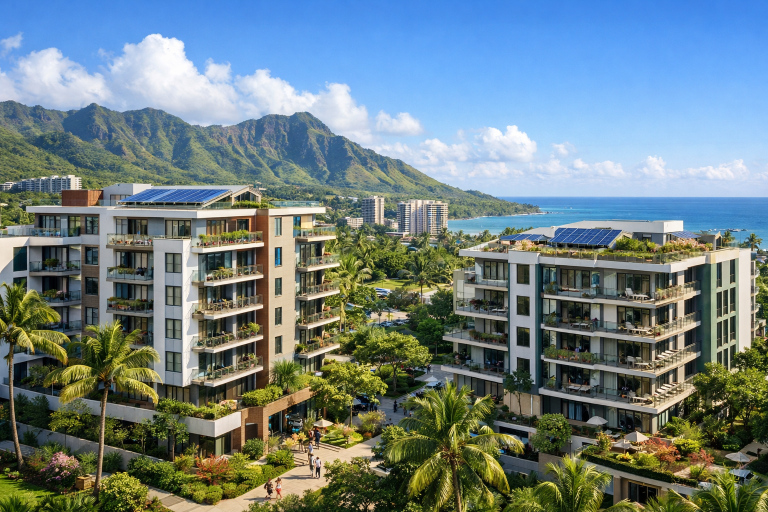
Efforts to streamline the permitting process and encourage infill development have yielded mixed results, but many experts agree that greater collaboration among public officials, investors, and planners is needed to relieve supply constraints. Meanwhile, the competition among buyers for existing multifamily assets continues to intensify, further supporting robust pricing for well-located, well-maintained properties. For property owners, this translates to reliable appreciation, while for potential buyers, it reinforces the importance of swift, decisive action in such a competitive environment.
Rising Rental Yields in Urban Areas
Urban rental properties, particularly on Oahu, offer a compelling mix of stability, appreciation, and cash flow potential. With rental vacancy rates around 2.5% in urban Honolulu, one of the lowest in the U.S., and average cap rates between 4.7% and 5.6%, investors are finding attractive opportunities in the multifamily sector.
The supply-demand imbalance also gives landlords leverage to maintain higher rental rates and quality tenants. Urban Honolulu’s popularity among young professionals, students, and new residents creates a steady stream of qualified renters. Moreover, the area’s mix of transit access, retail, and public amenities makes these neighborhoods especially appealing for multifamily development and renovation. Market observers predict that, given Oahu’s ongoing population growth, urban rental demand will remain elevated for years to come.
Emergence of Hybrid Finance Firms
In response to Hawaii’s high real estate prices, hybrid finance firms are thriving by offering versatile solutions that blend traditional mortgage services with investment fund management. This model leverages operational efficiency and automation to provide flexible financing options that cater to the unique needs of the market.
Hybrid finance models are particularly advantageous for syndicators and joint ventures seeking rapid acquisition or recapitalization. By using alternative lending platforms and combining institutional and private capital, these firms streamline the acquisition process and reduce friction, ultimately boosting the competitiveness of local investors versus out-of-state funds. As technology continues to innovate the finance sector, expect even more tailored and responsive lending solutions to arise, simplifying complex transactions and increasing participation for investors and developers.
Opportunities in Transit-Oriented Developments
Transit-oriented developments (TODs) along new rail lines are incorporating apartments, particularly near stations in Waipahu and Kapolei. These projects aim to increase housing availability and affordability, offering new investment opportunities in areas with pent-up housing demand.
TODs in Hawaii are designed to foster walkable, mixed-use communities with strong links to transit, shopping, and employment hubs, making them attractive to both residents and investors. By prioritizing density around transit corridors, developers unlock greater project scale and realize efficiencies in both construction and long-term management. With the ongoing expansion of rail and bus networks, the importance of TODs in Hawaii’s multifamily investment landscape is expected to rise, offering numerous opportunities for forward-thinking property owners, managers, and community stakeholders.
Final Thoughts
Hawaii’s multifamily real estate market is evolving through innovative housing trends, sustainable practices, and strategic investments. For those seeking expertise in navigating this dynamic landscape, partnering with an experienced apartment building broker in Honolulu can provide valuable insights and opportunities. Commercial Investment Strategies LLC, led by Christina Dwight, specializes in multifamily properties and offers comprehensive services to investors and developers in the Honolulu area.
As opportunities continue to emerge across urban centers, green buildings, and transit-rich corridors, investors with local market knowledge and access to creative financing options are poised to benefit from Hawaii’s ongoing transformation. For seasoned owners, developers, or first-time investors, consulting with professionals well-versed in the local environment makes all the difference in identifying the right opportunities, navigating regulatory hurdles, and positioning assets for long-term success in an ever-changing marketplace.