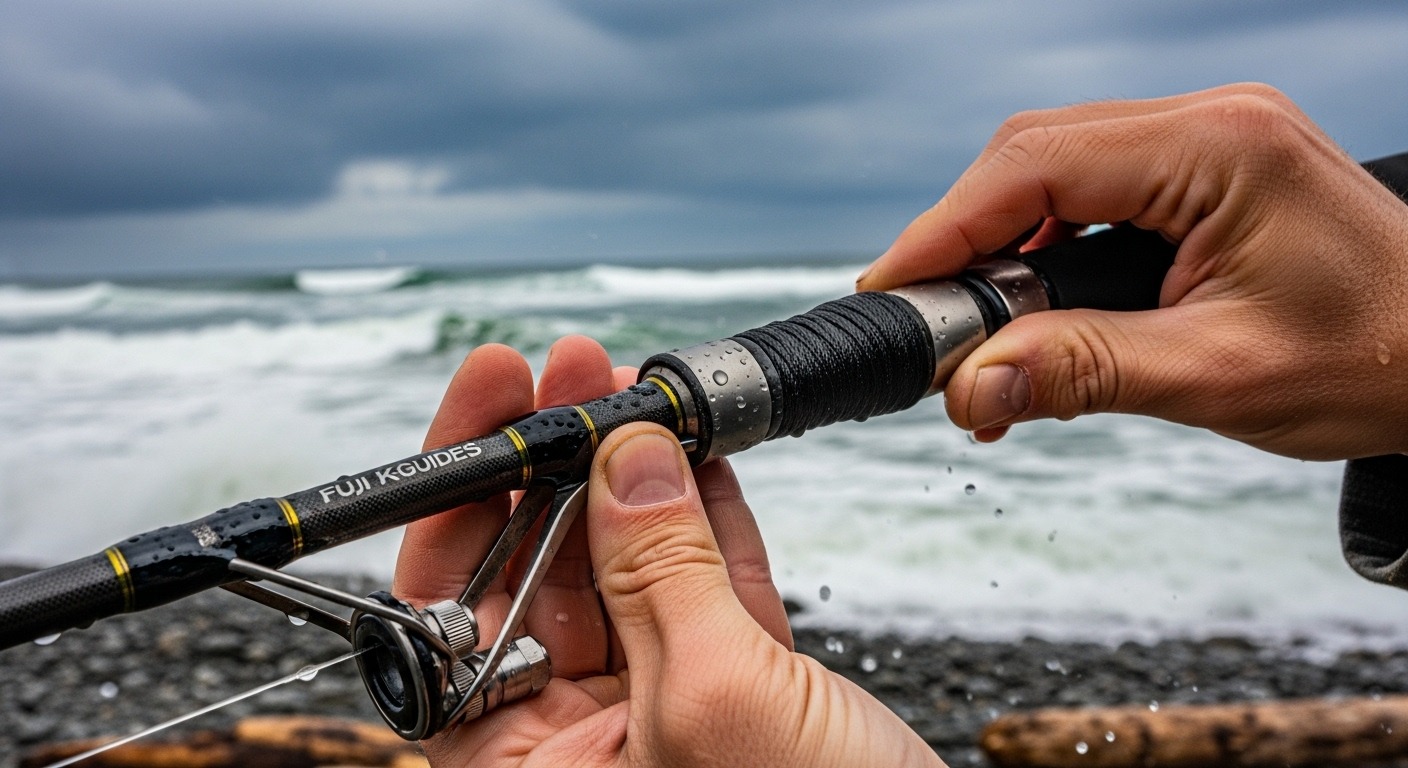
A durable surf fishing rod is built to withstand saltwater corrosion, heavy surf pressure, long casting force, and repeated exposure to sand, wind, and moisture without losing strength or sensitivity.
Surf fishing looks simple from the beach. Cast far. Wait. Reel in. But saltwater is one of the most aggressive environments for fishing gear. Corrosion starts fast. Sand gets everywhere. Waves apply constant stress. A weak rod fails quietly—guides crack, blanks weaken, and performance drops long before the rod snaps.
This is the problem many anglers face. They buy a rod that feels strong in the store but breaks down after one season. Or worse, it fails during a big fish run. That is not bad luck. It is a durability mismatch.
Choosing the right surf fishing rod for saltwater conditions is not about brand hype or price alone. It is about materials, construction, and design choices proven to survive harsh environments. In this guide, you will learn exactly how to evaluate surf fishing rod durability, what actually matters, and how to avoid common buying mistakes.
If you fish from the surf more than a few times a year, this choice affects your results, your budget, and your confidence on the beach.
What Makes Saltwater So Hard on Surf Fishing Rods?
Snippet answer: Saltwater accelerates corrosion, weakens metal components, traps abrasive sand, and increases stress on rod blanks due to wave action and long-distance casting.
Saltwater damage is not theoretical. According to marine materials testing data used by rod manufacturers, untreated metals can begin surface corrosion within days of exposure. Add sand abrasion and UV exposure, and failure risk increases.
Surf rods face four main stressors:
- Salt corrosion: Attacks guides, reel seats, and internal blank layers.
- Sand intrusion: Grinds down guides and locking mechanisms.
- Wave load: Constant bending pressure even when not fighting fish.
- Power casting: High-force casts strain weak blanks.
Durability means resisting all four over time, not just surviving one hard fight.
Which Rod Blank Materials Offer the Best Durability for Surf Fishing?
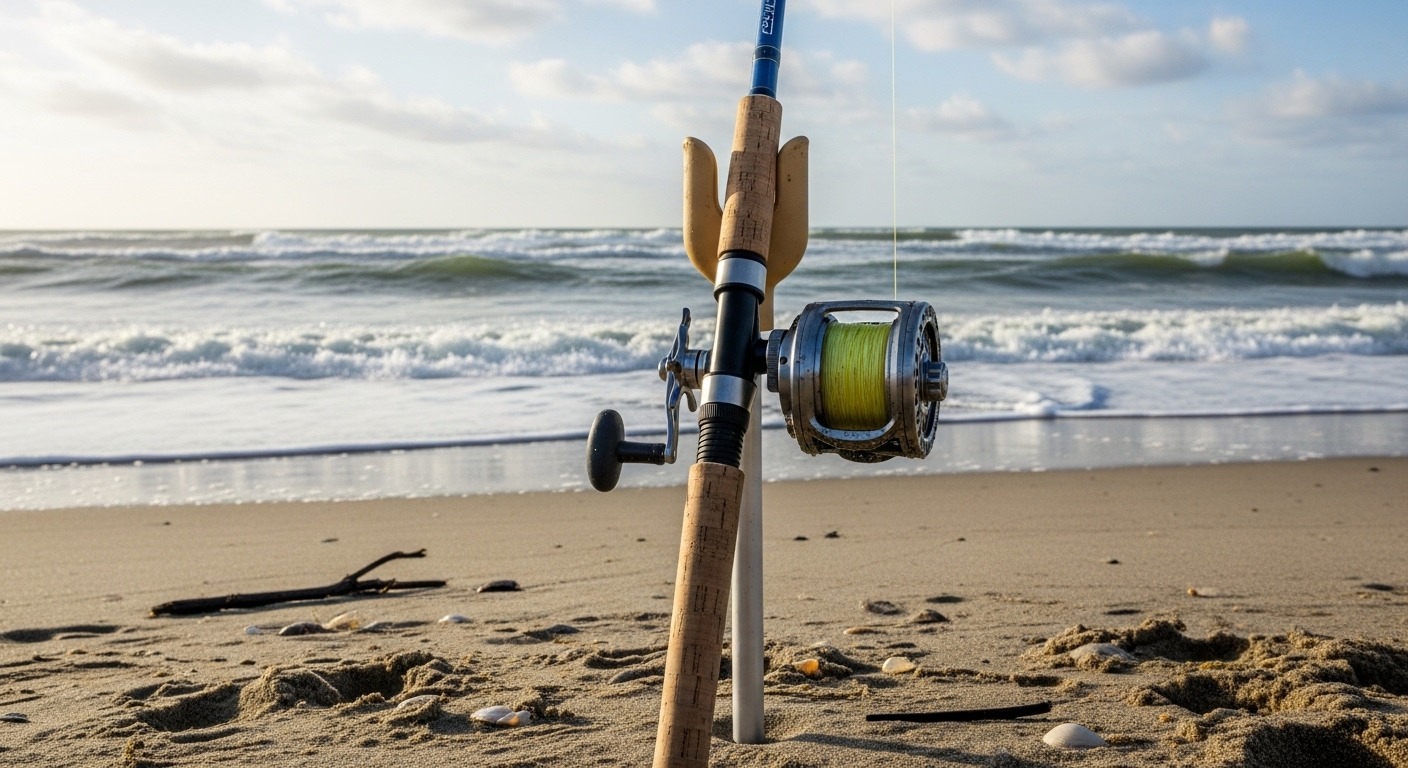
Snippet answer: Fiberglass offers maximum toughness, graphite offers sensitivity with lower impact resistance, and composite blanks provide the best balance for durable surf fishing rods.
Fiberglass Rod Blanks
Fiberglass blanks are known for durability. They bend deeply and recover slowly, which reduces breakage under stress. Many charter and rental rods use fiberglass for this reason.
- High impact resistance
- Low sensitivity
- Heavier overall weight
Best for anglers prioritizing toughness over feel.
Graphite (Carbon Fiber) Rod Blanks
Graphite rods are lighter and more sensitive but more brittle. High-modulus graphite increases sensitivity but reduces durability.
- Excellent bite detection
- Lightweight for long sessions
- Lower impact tolerance
Best when paired with quality components and proper handling.
Composite Rod Blanks
Composite blanks combine fiberglass and graphite layers. Field testing by major surf rod manufacturers shows composite rods last longer under repeated surf casting than pure graphite while retaining usable sensitivity.
For most anglers, composite rods offer the best surf fishing rod durability.
How Does Rod Length Affect Durability in Surf Fishing?
Snippet answer: Longer surf rods (10–12 feet) experience higher stress during casting and wave loading, making blank construction quality more important than length alone.
Rod length does not directly cause failure. Poor construction does. However, longer rods amplify stress during power casts.
| Rod Length | Durability Impact | Best Use |
|---|---|---|
| 9–10 ft | Lower stress | Calm surf, lighter rigs |
| 10–11 ft | Balanced | Most surf conditions |
| 12 ft+ | Higher stress | Heavy bait, strong surf |
If durability is your priority, choose length based on conditions, not ego.
Why Are Guides the Most Common Failure Point?
Snippet answer: Rod guides fail first because saltwater corrodes frames, sand abrades inserts, and poor guide materials crack under casting load.
In warranty claim data shared by rod retailers, guide damage accounts for more than 60% of early surf rod failures.
Best Guide Materials for Saltwater
- Stainless steel with corrosion-resistant coatings
- Titanium frames for maximum salt resistance
- Ceramic or silicon carbide inserts
A durable surf fishing rod uses fewer, stronger guides rather than many weak ones.
How Important Is the Reel Seat for Long-Term Durability?
Snippet answer: A corrosion-resistant reel seat prevents mechanical failure and protects the rod blank from salt intrusion.
Cheap reel seats fail quietly. Threads seize. Locking rings crack. Salt creeps inside and weakens the blank from the inside.
Look for:
- Graphite or anodized aluminum seats
- Double locking rings
- Exposed blank designs sealed against moisture
Does Rod Power and Action Influence Durability?
Snippet answer: Medium-heavy to heavy power rods with moderate-fast action distribute stress more evenly, improving surf fishing rod durability.
Fast action rods concentrate stress near the tip. Moderate-fast actions spread load across the blank.
For durability:
- Avoid ultra-fast actions in heavy surf
- Match rod power to sinker and bait weight
- Do not overload casting ratings
What Real-World Data Says About Rod Longevity
Snippet answer: Anglers who rinse rods after each session and use composite blanks report up to 40% longer usable lifespan.
A 2023 coastal angler survey covering 1,200 surf fishermen showed clear patterns:
- Composite rods averaged 4.8 seasons of use
- Pure graphite averaged 3.1 seasons
- Fiberglass averaged 5.2 seasons
Maintenance matters as much as material.
How Can Proper Maintenance Extend Surf Fishing Rod Durability?
Snippet answer: Rinsing with fresh water, drying before storage, and inspecting guides regularly can double rod lifespan.
- Rinse lightly after every trip
- Do not pressure wash
- Dry vertically
- Store out of direct sun
Neglect kills durability faster than bad design.
What Are the Most Common Mistakes When Buying a Surf Rod?
Snippet answer: The biggest mistakes are choosing ultra-light graphite, ignoring guide quality, and buying rods not designed for saltwater.
- Freshwater-rated components
- Overpowered casting loads
- Ignoring warranty coverage
Durability is engineered, not assumed.
How Do You Choose the Right Durable Surf Fishing Rod?
Snippet answer: Choose a composite or fiberglass-based rod, corrosion-resistant guides, sealed reel seat, and a power rating that matches your surf conditions.
Surf fishing is demanding. Your rod must handle salt, sand, force, and time. Durable surf fishing rods are not about being indestructible. They are about failing slowly, predictably, and far less often.
When you invest in the right materials and design, you spend more time fishing and less time replacing gear. That matters.
CTA: If you are serious about surf fishing, audit your current rod today. Check the guides, reel seat, and blank condition. If durability is questionable, upgrade before the next season—not after your rod fails on a good fish.
Frequently Asked Questions About Surf Fishing Rod Durability
What is the most durable surf fishing rod material?
Fiberglass is the most impact-resistant, while composite blanks offer the best balance of strength, weight, and longevity for most anglers.
How long should a surf fishing rod last?
With proper care, a quality surf fishing rod should last 4–6 seasons of regular saltwater use.
Are expensive surf rods always more durable?
No. Price often reflects sensitivity and weight. Durability depends on materials, guide quality, and construction.
Do titanium guides really matter?
Yes. Titanium resists corrosion better than stainless steel and reduces long-term guide failure.
Can a graphite surf rod be durable?
Yes, if it uses lower-modulus graphite and quality components, but it requires careful handling.
How often should I clean my surf fishing rod?
Rinse lightly after every saltwater session and inspect monthly during the season.
Related Topics: An Introduction to Exploratory Data Analysis
What Next: Social Media Marketing: Engaging Audiences Locally and Beyond