Planning an intimate wedding celebration brings a unique sense of charm and personal connection. When you’re organizing a smaller ceremony, every detail matters more, including your wedding dress. Choosing the perfect miniature wedding dress requires thoughtful consideration of style, venue, and your personal aesthetic preferences.
Intimate ceremonies have become increasingly popular in recent years. These celebrations typically include fewer than 50 guests and focus on meaningful connections rather than grand displays. Therefore, your dress choice should reflect this intentional approach to your special day.
Understanding Miniature Wedding Dresses
Miniature wedding dresses differ from traditional bridal gowns in several important ways. These dresses typically feature simpler silhouettes, lighter fabrics, and less elaborate embellishments. However, they maintain elegance and sophistication while offering greater versatility for intimate settings.
The term “miniature” doesn’t necessarily mean short in length. Instead, it refers to the overall scale and presence of the dress. These gowns work beautifully in smaller venues where dramatic cathedral trains or voluminous skirts might feel overwhelming.
Additionally, miniature wedding dresses often come with more affordable price points. This financial flexibility allows you to allocate your budget toward other meaningful aspects of your intimate celebration.
Consider Your Venue and Setting
Your ceremony location plays a crucial role in determining the right dress style. Intimate weddings often take place in unique venues that differ from traditional churches or ballrooms. Therefore, understanding your setting helps narrow down appropriate options.
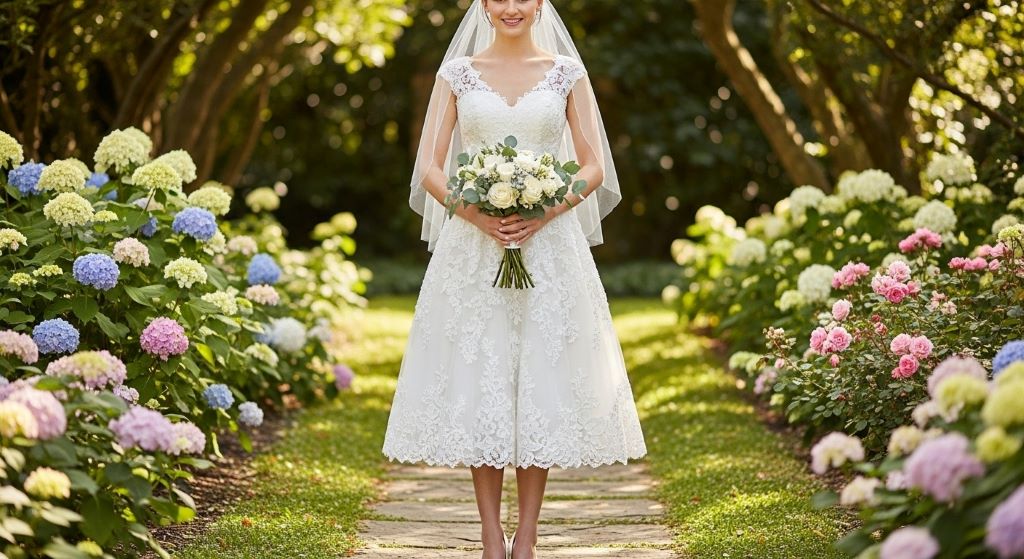
For garden ceremonies, consider flowing fabrics like chiffon or organza. These materials move gracefully with outdoor breezes and photograph beautifully in natural light. Tea-length or midi dresses work particularly well for garden settings, preventing your hem from collecting grass or dirt.
Indoor intimate venues such as private dining rooms or historic homes call for different considerations. You’ll have more freedom with fabric weight and train length. However, remember that smaller spaces mean guests will be closer to you, making dress details more visible and important.
Beach ceremonies demand lightweight, breathable fabrics. Crepe, jersey, or silk charmeuse offer comfort in warmer climates. Skip heavy beading or long trains that become cumbersome on sand.
Selecting the Right Silhouette
The silhouette you choose dramatically impacts your overall appearance and comfort level. Intimate ceremonies often involve more movement and interaction with guests, so prioritize both style and practicality.
Sheath dresses create elegant, streamlined looks perfect for petite frames or contemporary aesthetics. These form-fitting gowns elongate your figure and allow easy movement throughout your celebration. Furthermore, sheath silhouettes photograph exceptionally well in intimate settings.
A-line dresses remain universally flattering and appropriate for various body types. The fitted bodice and gradually flaring skirt provide classic elegance without overwhelming smaller venues. This silhouette works beautifully whether you’re planning a formal or casual intimate ceremony.
Tea-length dresses offer vintage charm and practical benefits. The hem typically falls between your knee and ankle, creating a playful yet sophisticated look. Additionally, this length showcases your wedding shoes and allows comfortable movement during your celebration.
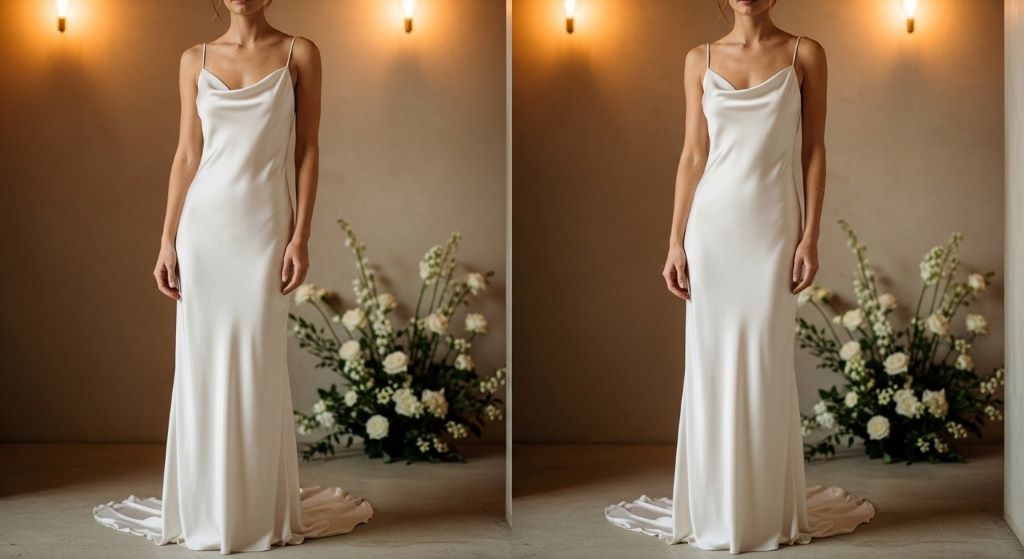
Slip dresses have gained tremendous popularity for intimate weddings. These minimalist gowns feature delicate straps and bias-cut fabric that drapes beautifully. The understated elegance of slip dresses complements the personal nature of smaller ceremonies.
Choosing Appropriate Fabrics and Textures
Fabric selection influences both comfort and aesthetic appeal. For intimate ceremonies, you’ll want materials that photograph well at close range and feel comfortable throughout your celebration.
Silk remains the gold standard for wedding dresses. This luxurious fabric drapes beautifully and creates a subtle sheen in photographs. However, silk requires careful maintenance and can show water spots easily.
Lace offers romantic texture and visual interest without excessive embellishment. Modern lace dresses often feature geometric or floral patterns that create dimension. Consider all-over lace or strategic lace placement on bodices and sleeves.
Crepe provides structure and elegant drape simultaneously. This fabric works particularly well for modern, minimalist aesthetics. Crepe holds its shape beautifully and resists wrinkling during long celebrations.
Chiffon delivers ethereal, flowing movement perfect for outdoor ceremonies. This lightweight fabric layers beautifully and creates soft, romantic silhouettes. Keep in mind that chiffon requires underlining for adequate coverage.
Determining the Right Level of Embellishment
Intimate ceremonies allow you to make bolder personal statements with your dress details. Since guests will be closer to you, they’ll notice and appreciate subtle embellishments more than in larger venues.
Minimalist approaches work exceptionally well for intimate weddings. Clean lines, simple necklines, and subtle details create sophisticated elegance. This aesthetic aligns perfectly with the intentional nature of smaller celebrations.
Delicate beading or embroidery adds visual interest without overwhelming your look. Consider details concentrated on the bodice or along the neckline rather than all-over embellishment. Strategic placement draws attention to your face and creates focal points in photographs.
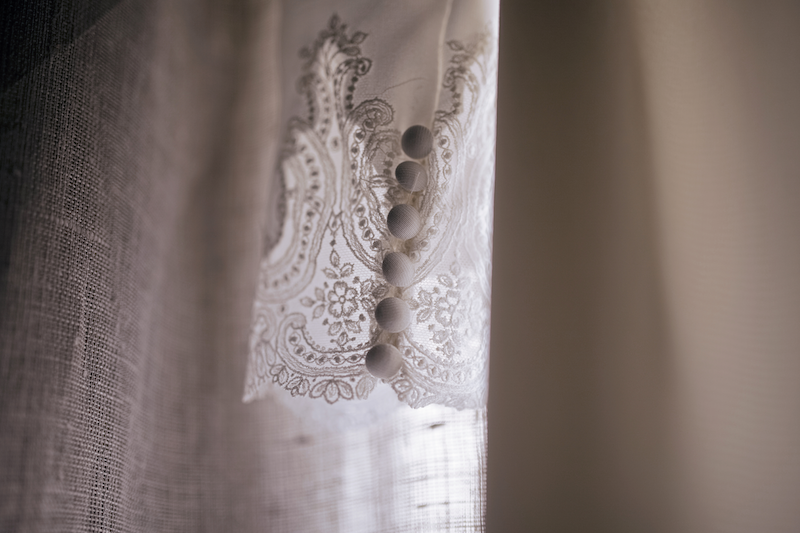
Buttons, particularly covered buttons running down the back, offer timeless elegance. This detail photographs beautifully and adds vintage charm to contemporary silhouettes. Additionally, button details create visual interest from multiple angles.
Budget Considerations for Intimate Wedding Dresses
Intimate ceremonies often involve smaller overall budgets compared to traditional weddings. Fortunately, miniature wedding dresses typically cost less than elaborate bridal gowns, allowing financial flexibility.
Ready-to-wear options have expanded significantly in recent years. Many contemporary designers now offer wedding-appropriate dresses in their regular collections. These pieces often cost considerably less than traditional bridal gowns while maintaining high quality and style.
Sample sales provide excellent opportunities to find designer dresses at reduced prices. Bridal boutiques regularly discount floor samples to make room for new inventory. Since you’re planning an intimate ceremony, minor alterations can easily address any fitting issues.
Custom or semi-custom options from smaller designers often match your budget better than established bridal houses. These designers typically offer personalized service and unique designs that perfectly suit intimate celebrations.
According to The Knot’s recent wedding statistics, couples are increasingly choosing to invest differently across their wedding budgets, with many prioritizing experience over traditional expectations.
Accessorizing Your Miniature Wedding Dress
Accessories complete your bridal look and offer opportunities for personal expression. In intimate settings, your accessories become conversation pieces that reflect your personality.
Veils add traditional romance without requiring lengthy trains. Shoulder-length or fingertip veils complement miniature dresses beautifully. Alternatively, consider birdcage veils or minimalist tulle options for contemporary aesthetics.
Statement jewelry creates impact in close-up photographs and conversations. Since guests will be near you, invest in meaningful pieces that spark stories. Vintage or heirloom jewelry adds personal significance to your ensemble.
Shoes deserve special attention for intimate ceremonies, particularly with shorter hemlines. Your footwear will be visible throughout the day and in photographs. Choose comfortable options that reflect your style, whether classic pumps, elegant flats, or embellished sandals.
Timing Your Dress Shopping
Shopping timelines differ slightly for miniature wedding dresses compared to traditional bridal gowns. However, you’ll still need adequate time for finding, ordering, and altering your dress.
Begin shopping approximately six to nine months before your wedding date. This timeline allows you to explore various options, make decisions without pressure, and accommodate production and alteration schedules.
Ready-to-wear dresses offer more flexibility with shorter timelines. Many non-traditional wedding dresses can be purchased and altered within two to three months. This option works well if you’re planning on shorter notice.
Schedule alteration appointments approximately two months before your wedding. Most dresses require some tailoring for perfect fit. Additionally, plan a final fitting two weeks before your ceremony to address any last-minute adjustments.
Finding the Right Shopping Experience
Where you shop influences both your selection and overall experience. Intimate wedding planning often benefits from personalized service and curated selections.
Boutique bridal shops specializing in non-traditional weddings understand intimate ceremony needs. These retailers typically carry designers focused on simpler silhouettes and contemporary aesthetics. Furthermore, boutique staff often provide more personalized attention.
Department stores with bridal or special occasion sections offer diverse options at various price points. You can often find wedding-appropriate dresses in white or ivory among cocktail and evening wear. This approach provides flexibility and immediate availability.
Online retailers have revolutionized wedding dress shopping with virtual try-on options and home try-on programs. Many companies now offer detailed measurements guides and generous return policies. However, ensure you understand return timeframes and alteration limitations.
According to Vogue’s guide to wedding dress shopping, the modern bridal shopping experience has evolved to accommodate diverse needs and preferences, particularly for intimate celebrations.
Making Your Final Decision
Choosing your miniature wedding dress involves balancing practical considerations with emotional connection. Trust your instincts while considering the advice you’ve gathered throughout your shopping journey.
Photograph yourself in top contenders from multiple angles. Review these images in different lighting conditions to see how each dress translates on camera. Since intimate weddings involve close-up photography, this step proves particularly valuable.
Consider movement and comfort during your decision-making process. Sit, walk, and raise your arms to ensure the dress allows natural movement. Remember that you’ll wear this dress for several hours while greeting guests and celebrating.
Ultimately, choose the dress that makes you feel most like yourself. Intimate ceremonies celebrate authentic connections and personal meaning. Therefore, your dress should reflect your true style and make you feel confident and beautiful.
Conclusion
Choosing a miniature wedding dress for your intimate ceremony involves thoughtful consideration of venue, silhouette, fabric, embellishment, and budget. By focusing on these key elements, you can find a dress that perfectly suits both your personal style and the intimate nature of your celebration. Remember that smaller ceremonies allow greater flexibility and personal expression in your fashion choices. Trust your instincts, prioritize comfort alongside aesthetics, and select a dress that makes you feel authentically beautiful on your special day.
Frequently Asked Questions
What is the average cost of a miniature wedding dress?
Miniature wedding dresses typically range from $500 to $3,000, though prices vary based on designer, fabric, and embellishment level. Ready-to-wear options often cost less than custom bridal gowns, while still maintaining quality and style appropriate for intimate ceremonies.
How far in advance should I purchase my dress for an intimate wedding?
Begin shopping six to nine months before your wedding date for traditional ordering timelines. However, ready-to-wear miniature wedding dresses can be purchased and altered within two to three months, offering flexibility for shorter planning periods.
Can I wear a short wedding dress to an intimate ceremony?
Absolutely. Tea-length, midi, and even knee-length dresses work beautifully for intimate ceremonies. Shorter hemlines offer practical benefits for various venues while maintaining elegance and sophistication appropriate for wedding celebrations.
What fabrics work best for outdoor intimate ceremonies?
Lightweight, flowing fabrics such as chiffon, organza, crepe, and silk charmeuse work best for outdoor settings. These materials move gracefully in breezes, photograph well in natural light, and provide comfort in various weather conditions.
Should my miniature wedding dress match my venue’s formality level?
Yes, coordinating your dress formality with your venue creates visual harmony. Garden venues suit flowing, romantic fabrics, while urban settings complement sleek, modern silhouettes. However, your personal style should ultimately guide your final decision.
Related Topics:
Wedding Traditions to Toss: Personalize Your Day and Ignore Outdated Rules
How to Build Wedding Budget: A Step-by-Step Guide